
Alerts
-
3 minutes, 9 seconds
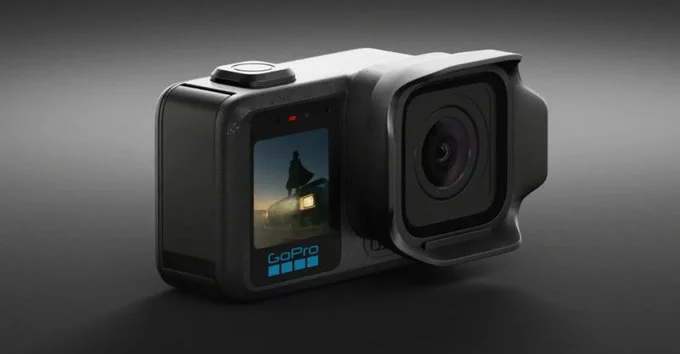
In a surprising turn of events, GoPro has officially announced its sale to a private equity firm, with the deal valuing the iconic action-camera company at $1.1 billion. The acquisition marks the end of GoPro’s decade-long run as an independent publicly traded entity, a period that saw the company struggle to maintain growth after its initial boom in the mid-2010s.
The private equity buyer, which has not been named in the initial press release, will take full ownership of the firm, including all of its hardware, software, and subscription services. Sources close to the deal suggest that the transaction is expected to close by the end of the fiscal year, pending regulatory approval. This valuation represents a significant premium over GoPro’s recent market capitalization, which had hovered near $800 million for much of the past year. The announcement has already sent ripples through the tech and outdoor industries, with analysts speculating on the strategic rationale behind the move.
Just weeks after the initial announcement, the company’s shareholder registry revealed a significant shift: a prominent YouTuber had accumulated a 9% stake. This acquisition instantly made the content creator the largest individual shareholder, a position that carries considerable weight in corporate governance. The YouTuber did not remain silent about the purchase, immediately issuing a public statement expressing clear intentions to influence the company’s strategic direction. This move signals a transition from passive investment to active participation, with the creator indicating a desire to weigh in on product development and marketing strategies. The stake, while not a majority, provides a powerful platform from which to advocate for changes, leveraging both financial clout and a massive online audience to pressure the existing board. This development has set the stage for a potentially contentious dynamic between the traditional leadership and a new, digitally-native investor with a very public profile.
The YouTuber publicly expressed disappointment over the sale, signaling that the outcome fell short of his preferred path for the company. His reaction underscores a fundamental tension between his vision for the platform and the board’s decision to pursue an outright acquisition.
Analysts note that the deal may limit his ability to enact change, as he will no longer hold a meaningful stake or board influence to push for operational or strategic shifts. However, they also emphasize that the transaction provides a premium to shareholders, which could temper criticism from other investors who prioritize immediate financial returns over long-term governance battles.
Ultimately, the acquisition satisfies financial interests but potentially sacrifices the activist momentum he had generated.
The acquisition is expected to close in the first half of next year, with GoPro to operate as a private company following the deal. This transition marks a significant shift from its current public status, potentially allowing for longer-term strategic decisions without quarterly earnings pressure.
For the YouTuber, the closing of the deal may not signal the end of his involvement. He may continue to push for changes post-acquisition, leveraging his ownership stake and influence to steer product direction and marketing strategies. His active role could bring a new dynamic to the company’s culture, focusing on creator-driven content and community engagement.
While the immediate future is defined by regulatory approvals and shareholder votes, the longer-term outlook hinges on how effectively GoPro integrates this new vision. The private structure could facilitate faster innovation, but the success will ultimately depend on execution and market reception in a competitive action-camera landscape.






Comment