Alerts

-
4 minutes, 23 seconds
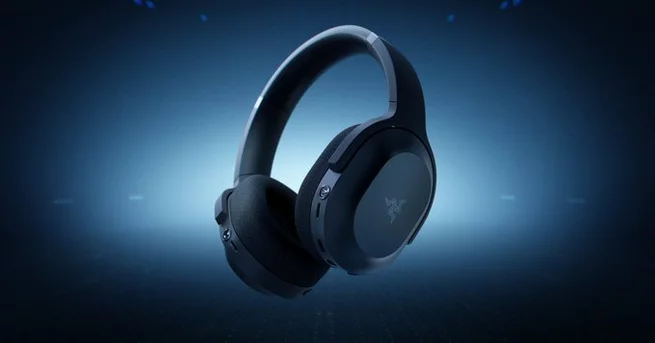
Razer is taking wearable tech to the next level with Project Motoko, a concept AI headset unveiled at CES 2026. Designed to look like a sleek pair of wireless headphones, this innovative device features dual cameras at eye level, advanced microphones, and hands-free controls. Users curious about smart wearables will find Project Motoko promising, as it aims to offer instant AI assistance for everyday tasks, all while maintaining a familiar headphone form factor. Powered by a Qualcomm Snapdragon chip, the headset is built to work with major AI platforms, including OpenAI, Google Gemini, and Grok.
The standout feature of Razer’s new AI wearable is its dual first-person-view cameras. Positioned at eye level, these cameras capture objects, text, and your surroundings naturally, giving the AI real-time visual context. Unlike bulky AR glasses, the headset design allows Razer to fit advanced sensors without making the device awkward or conspicuous. This thoughtful placement means users can interact seamlessly with the environment while the AI interprets and responds instantly.
Project Motoko also features multiple microphones designed to pick up voice commands, ambient sounds, and conversations. With hands-free control, users can manage music, receive notifications, or interact with AI models effortlessly. Razer claims the headset adapts to individual habits, schedules, and preferences, acting as a full-time assistant. This combination of audio, voice, and visual processing positions Project Motoko as more than just a headset—it’s a portable AI companion.
Razer believes that a headphone form factor offers several advantages over smart glasses. Headsets are already widely worn, meaning there’s no unusual appearance to draw attention. Additionally, the larger size compared to glasses provides more room for sensors, processing power, and batteries. With an untapped market of 1.4 billion headset users globally, Razer sees a clear opportunity for AI wearables that integrate seamlessly into daily life.
Project Motoko isn’t limited to a single AI platform. Razer has designed the device to interface with leading AI models, allowing users to interact with a wide range of smart assistants. Whether translating text, providing reminders, or analyzing your environment, the headset interprets context instantly, making the technology adaptive and highly personal. This openness may set it apart from other wearables that rely on proprietary AI systems.
It’s important to note that Project Motoko is still a concept. While Razer has officially demonstrated it at CES 2026, there’s no guarantee it will become a commercially available product. Many of Razer’s previous concepts have never reached retail, making this headset a tantalizing glimpse into potential future technology rather than something consumers can buy today.
Razer’s Project Motoko hints at a future where AI wearables could merge seamlessly with daily life, offering hands-free assistance while remaining stylish and practical. Whether the headset reaches the market or inspires other innovations, CES 2026 has showcased Razer’s vision for the next generation of smart audio devices.










Comment