
Alerts
-
4 minutes, 6 seconds
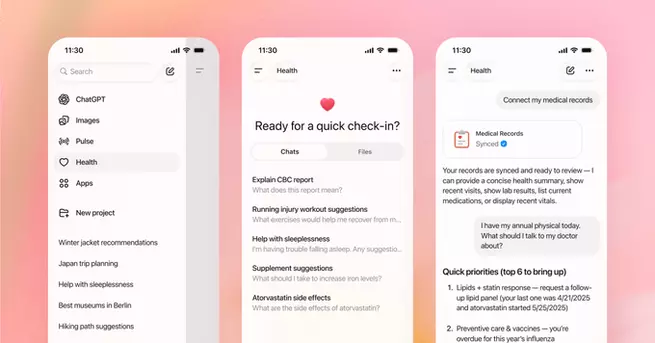
OpenAI is stepping further into healthcare with the launch of ChatGPT Health, a new feature that allows users to connect personal medical records and wellness apps for tailored health insights. Designed as a secure, separate space within ChatGPT, it offers a personalized chat experience with its own memory and chat history. While it promises to deliver grounded responses, OpenAI emphasizes that this tool is not intended for diagnosis or treatment, keeping patient safety and realistic expectations in focus.
ChatGPT Health operates as a sandboxed environment where users can ask health-related questions. To enhance personalization, the platform encourages linking data from apps like Apple Health, Peloton, MyFitnessPal, Weight Watchers, and Function. With these connections, the AI can provide context-aware guidance, such as analyzing movement and sleep patterns from Apple Health or offering nutritional advice based on MyFitnessPal logs. This integration aims to give users more informed, actionable responses than a standard ChatGPT session.
On the medical records side, OpenAI has partnered with b.well, a platform that collaborates with over 2.2 million healthcare providers. Through this backend integration, users can upload lab results, visit summaries, and clinical history for more nuanced guidance. While the tool doesn’t replace professional advice, this step allows ChatGPT to generate responses grounded in a user’s actual medical context, giving a sense of personalization previously unavailable in AI health tools.
ChatGPT Health is currently in beta, and interested users must join a waitlist to gain access. OpenAI plans a gradual rollout across all users, irrespective of subscription tier, signaling its intent to make personalized health AI widely available. This measured approach allows the company to refine the system while maintaining safety and data privacy standards.
OpenAI is clear that ChatGPT Health is not a substitute for medical care. While it can interpret data and provide insights, how users act on that information remains outside the company’s control. The AI is intended as a supportive companion, helping users navigate health questions more efficiently while always deferring to professional medical advice for critical decisions.
For consumers, ChatGPT Health represents a step toward AI-assisted wellness management. By consolidating data from multiple sources, users can gain a clearer understanding of their habits, lab results, and overall health trends. However, responsible use is key: the tool is an assistant, not a physician, and OpenAI stresses adherence to expert guidance when interpreting any results.
ChatGPT Health highlights OpenAI’s broader vision of AI as a healthcare ally. While early adoption is limited, the potential impact is significant—offering personalized support and insight that could complement traditional healthcare routines. As AI continues to integrate with health data, services like this may become a standard feature for consumers seeking more informed wellness guidance.









Comment