
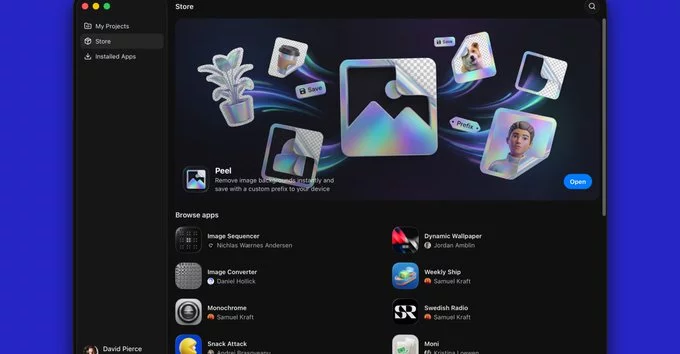
Raycast Glaze is a new vibe coding platform that lets anyone build, use, and share tiny apps without traditional coding skills. Designed for Mac users, Glaze turns simple text prompts into working software and packages everything into an easy-to-browse store. If you’ve been curious about vibe coding but intimidated by terminals and deployments, Glaze aims to remove those barriers entirely.
Raycast Glaze Brings Vibe Coding to the Mainstream
Vibe coding has quickly become one of tech’s buzziest trends. AI tools can now generate functional software from plain-language prompts, eliminating the need to manually write every line of code. But for many users, the process still feels complex. Terminals, package managers, and deployment steps create friction that stops beginners before they even start.
That’s where Raycast steps in. Known for its popular Mac launcher, the company is introducing Glaze, a new platform designed to make vibe coding radically simpler. Instead of juggling tools and scripts, users just type what they want—and Glaze attempts to build the app in one go.
The result is a streamlined, almost magical experience. Prompt. Generate. Use. Share.
What Is Raycast Glaze?
At its core, Raycast Glaze is an all-in-one vibe coding app platform. It combines app creation, distribution, discovery, and customization in a single interface. Think of it as a micro App Store powered entirely by AI-generated utilities.
Users can build hyper-specific tools for personal workflows or team tasks. Need a tiny dashboard for tracking daily writing goals? Want a custom file renamer for a niche workflow? Glaze is built for exactly those use cases.
Even more compelling, Glaze doesn’t stop at creation. It includes a directory—often referred to as the Glaze Store—where users can browse other people’s vibe-coded apps. Instead of starting from scratch, you can grab an existing tool and tweak it to your exact needs.
How Glaze Simplifies AI App Creation
AI coding tools have evolved rapidly over the past two years. Platforms like Claude Code and OpenAI Codex proved that large language models can write functional applications. But those tools often assume some level of technical comfort.
Glaze builds on similar AI foundations but removes the intimidating layers. There’s no expectation that you understand your computer’s terminal. You don’t need to manually deploy anything. Maintenance and hosting complexities are largely abstracted away.
You simply describe what you want. Glaze may ask a few clarifying questions. Then it generates a finished mini app, ready to run inside your Raycast environment.
Early hands-on impressions suggest Glaze tries especially hard to “finish the job” on the first attempt. That matters. Many AI tools require iterative debugging, which can discourage beginners. Glaze’s focus on one-shot completion reduces friction and boosts confidence.
Why Tiny Tools Could Disrupt the App Store Model
Here’s the bigger picture: Glaze represents a shift in how we think about apps.
Traditional app stores reward large, polished, multi-feature products. But many users don’t need massive software suites. They need small, precise tools that solve one narrow problem extremely well.
Glaze leans into that philosophy. Instead of shipping a full productivity platform, you might build a tiny tool just for generating meeting summaries in your preferred format. Instead of downloading a bloated task manager, you might create a focused reminder utility tailored to your workflow.
This “micro-app” movement could gradually reshape expectations. If anyone can generate custom tools on demand, why wait for a developer to ship a feature update?
That’s the disruptive potential behind Raycast Glaze. It lowers the barrier not just to coding—but to software ownership.
Mac-First, but Bigger Plans Ahead
Right now, Glaze is available exclusively for Mac users. That makes sense given Raycast’s strong presence in the macOS productivity ecosystem. But the company has signaled ambitions beyond a single platform.
Windows support is on the roadmap. Mobile integration is also part of the long-term vision. If those expansions materialize, Glaze could evolve from a niche Mac utility into a cross-platform personal computing layer.
For teams, this opens interesting possibilities. Imagine building internal tools on the fly—without waiting for IT queues or external vendors. Glaze could become a lightweight alternative to traditional low-code platforms.
The Rise of Personal Computing 2.0
Glaze isn’t just about building apps. It reflects a broader shift in computing philosophy.
For decades, software has been something you download, not something you create. Even customization usually meant tweaking settings within predefined boundaries. Vibe coding changes that relationship. It turns users into builders—even if they’ve never written a line of code.
Raycast’s approach positions Glaze as a foundation for “personal computing” in a new sense. Not just personalized interfaces, but personalized software logic.
That’s powerful.
When users can generate tools tailored to hyper-specific needs, the distance between idea and execution shrinks dramatically. A thought becomes an app within minutes.
Early Impact and Industry Implications
The timing of Glaze’s launch is notable. AI-generated software is becoming more accessible, and appetite for customization is rising. Meanwhile, debates around app store fees and developer control continue across the industry.
A platform like Glaze sidesteps much of that ecosystem entirely. Instead of publishing to a centralized store, users share vibe-coded tools within a community directory. The emphasis shifts from monetization to utility and experimentation.
For indie developers, this could feel like both opportunity and disruption. On one hand, Glaze lowers barriers to entry. On the other, it challenges traditional revenue models built around polished standalone apps.
For everyday users, though, the promise is simpler: build what you need, when you need it.
Should You Try Raycast Glaze?
If you’re already comfortable with AI tools, Glaze feels like a natural evolution. It streamlines familiar workflows and reduces technical overhead. If you’re brand new to vibe coding, Glaze might be the easiest entry point yet.
Its strength lies in clarity and simplicity. There’s no overwhelming dashboard. No complicated deployment checklist. Just a prompt box and a growing directory of tiny, shareable tools.
Raycast Glaze may not replace full-scale app development. But it doesn’t need to. Its mission is different: empower users to create micro-software tailored to their own lives.
And if that vision catches on, the next wave of apps might not come from massive studios or venture-backed startups.
They might come from you.















Comment