
-
6 minutes, 16 seconds
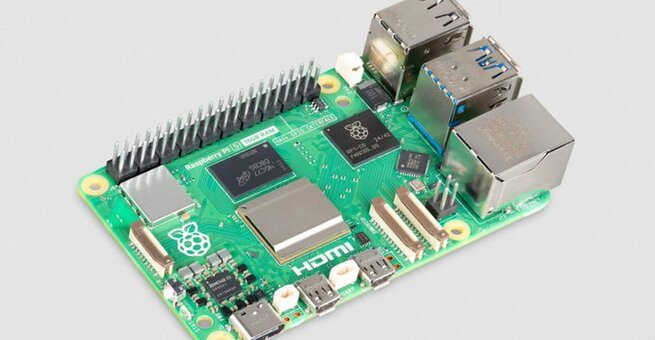
Raspberry Pi users searching for the newest pricing updates have one big question: Why are Raspberry Pi 4 and Raspberry Pi 5 suddenly more expensive? The answer comes down to soaring global DRAM costs, pushing several models up by as much as 20 percent. Raspberry Pi confirmed that price increases are effective immediately, impacting both hobbyists and professionals who rely on the tiny computers. The biggest jump hits the Raspberry Pi 5 16GB model, now rising from $120 to $145. These changes come as memory competition intensifies across the tech industry, especially due to AI hardware demand. Raspberry Pi says the increases are temporary, but users are already feeling the squeeze.
Raspberry Pi revealed that multiple Pi 4 and Pi 5 configurations are now $5 to $25 more expensive depending on RAM. The adjustments specifically target higher-memory models, which have become costlier for the company to source amid a global DRAM spike. Even the Compute Module 5 lineup isn’t spared, with its 16GB version jumping by $20 to a new starting price of $140. These increases place added strain on developers, students, and makers who depend on the boards for low-cost computing. While the price hike is not unprecedented, it is one of the most substantial adjustments the company has made in recent years. Raspberry Pi emphasized that the goal is to maintain accessibility despite the cost pressures.
The company attributes the surge in DRAM prices to the explosive growth of AI infrastructure over the past year. As tech giants invest heavily in data centers, GPUs, and AI accelerators, memory suppliers are redirecting inventory toward higher-margin enterprise clients. This leaves smaller players like Raspberry Pi facing steeper component costs across the board. CEO Eben Upton noted that these market conditions are “painful but ultimately temporary,” hinting that relief may come once demand stabilizes. Despite the challenges, Raspberry Pi continues to position itself as a cost-efficient option for education and experimentation. The company remains optimistic that the current supply chain imbalance will normalize.
For hobbyists and makers, the 20 percent increase in some Raspberry Pi 5 models can significantly affect project budgets. The jump from $120 to $145 for the 16GB Raspberry Pi 5 places it firmly in competition with entry-level mini PCs. Educators who purchase devices in bulk may also face tighter constraints as school budgets don’t always stretch to absorb unforeseen cost spikes. While lower-memory models see smaller increases, the ripple effect will impact a broad segment of the Raspberry Pi community. The company says the increases are essential to avoid supply shortages. For now, users may need to plan more carefully when upgrading or scaling their setups.
In its statement, Raspberry Pi emphasized its long-standing goal of offering affordable computing worldwide. Upton reassured customers that once DRAM prices fall, Raspberry Pi intends to “unwind these price increases.” This commitment matters for a brand built on accessibility and low-cost innovation. The company previously navigated supply challenges during the pandemic, eventually restoring stable pricing and inventory. With that track record, many users are hopeful this price surge won’t last long. In the meantime, Raspberry Pi continues scaling production of the Pi 5 and Compute Module 5 to meet global demand.
The short-term reality is clear: projects dependent on RAM-heavy configurations will now cost more to build. Developers working on AI at the edge, robotics, and high-performance DIY systems may need to revisit budgets. However, the Raspberry Pi ecosystem remains strong, with a wide range of accessories, HATs, and modules still priced competitively. For many users, delaying upgrades may be a practical solution until hardware prices settle. Others may explore alternative models with lower RAM requirements. The community’s resilience has been tested before—and it often adapts quickly.
Even with price increases, Raspberry Pi is heading into 2026 with significant momentum. The Pi 5 remains one of the most capable budget microcomputers on the market, with improved performance, better I/O, and strong developer support. As DRAM supply stabilizes and AI hardware demand slows, Raspberry Pi expects costs to come down. The company’s transparency about pricing challenges has been welcomed by users who value its open communication. For now, makers worldwide are watching closely to see when—and how quickly—those promised reductions arrive.

2.6K articles

1.4K articles

34 articles

28 articles













Comment