Alerts

-
4 minutes, 40 seconds
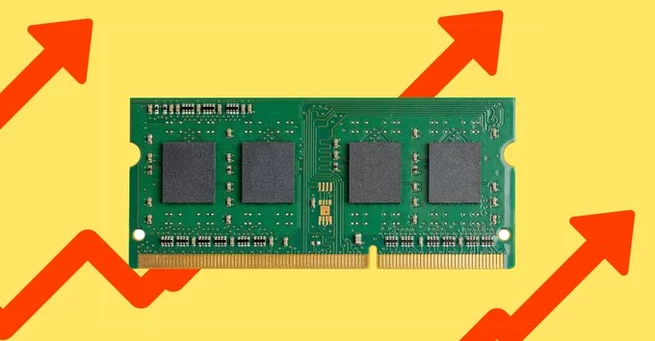
A severe RAM shortage is creating waves across the tech industry, with executives warning that product delays and company closures could soon become reality. Memory supply is struggling to keep pace with soaring demand, driven in large part by AI data centers consuming unprecedented amounts of DRAM. Prices have already skyrocketed, tripling or even sextupling in recent months, leaving companies scrambling to secure essential components.
Phison CEO Pua Khein-Seng recently highlighted the severity of the crisis in an interview, suggesting that the shortage could force companies to cut product lines or, in extreme cases, shut down entirely. This growing imbalance between supply and demand is shaping up to be one of the most disruptive forces in computing for years to come.
AI infrastructure is the biggest driver behind the memory crunch. Data centers for AI applications are consuming massive quantities of DRAM, leaving little for consumer devices or traditional computing products. Even tech giants like Nvidia and Apple may face challenges securing enough RAM for GPUs, SSDs, and other critical components.
The gaming sector could also feel the impact. Reports suggest that upcoming GPUs might be delayed or even skipped, potentially affecting hardware launches and leaving gamers waiting longer for new products. Consoles, PCs, and laptops that rely heavily on DRAM could experience intermittent shortages and inflated prices, putting pressure on manufacturers and consumers alike.
Currently, only three companies control roughly 93% of the global DRAM market. While these manufacturers are expanding production, they are cautious about overbuilding, fearing a future supply glut. This cautious approach means that even as new facilities come online, the supply-demand gap could remain for years.
For smaller companies, the shortage is particularly alarming. Without guaranteed access to RAM, product lines may be slashed, and some companies may struggle to survive. Khein-Seng pointed out that the inability to secure memory components is a real threat, emphasizing the high stakes of the ongoing shortage.
The RAM shortage could also shift consumer behavior. Khein-Seng predicts that people might start repairing devices more frequently rather than replacing them. As components become scarcer and more expensive, fixing broken hardware could become the practical choice. This could mark a subtle shift in electronics consumption patterns, favoring longevity over constant upgrades.
Companies will need to adapt quickly to survive the RAM shortage. Stockpiling critical components, exploring alternative suppliers, and optimizing product designs to use memory more efficiently are becoming essential strategies. Firms that fail to act may face product delays, lost revenue, or, in extreme cases, closure.
Analysts warn that this shortage could ripple through every corner of the tech industry, from consumer electronics to enterprise computing. With AI growth showing no signs of slowing, the RAM crisis might not be temporary but an ongoing challenge for 2026 and beyond.
The global RAM shortage is no longer just a supply-chain inconvenience—it’s a potential existential threat for some tech companies. Executives like Phison’s Pua Khein-Seng are urging the industry to brace for widespread disruptions. From AI data centers to gaming GPUs and everyday electronics, the memory crunch is shaping up to affect products, profits, and possibly even the survival of certain companies over the next few years.









Comment