
-
4 minutes, 41 seconds
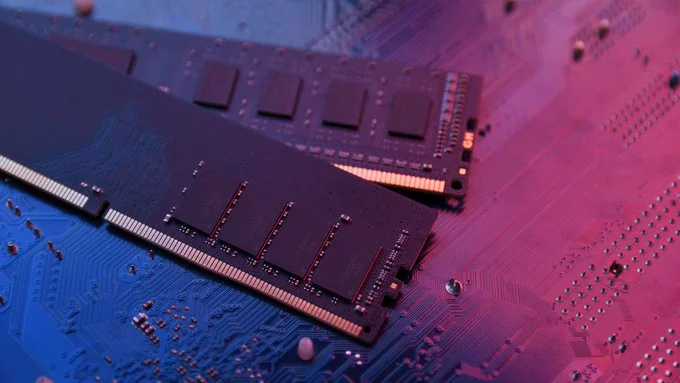
Tech enthusiasts and industry insiders are bracing for a prolonged RAM shortage that could last well into the next decade. Chey Tae-won, chairman of SK Group, has warned that the current crisis in memory chip supply may not end until 2030. According to Chey, rebuilding wafer production capacity could take four to five years, signaling more than a 20% deficit in available memory wafers.
This announcement paints a more pessimistic picture than many analyst forecasts, highlighting growing concerns about rising RAM prices for PCs, servers, and AI-driven systems.
A key factor behind the shortage is the booming demand for high-bandwidth memory (HBM), a type of RAM crucial for artificial intelligence and high-performance computing. SK Hynix, a division of SK Group, is a major supplier of HBM to leading AI chipmakers, including Nvidia.
Chey explained, “AI actually wants to have a lot of HBM, and once you make the HBM… we have to use a lot of wafers.” This means that producing HBM consumes significantly more wafers than standard memory, tightening overall supply even further.
SK Hynix is part of the “big three” RAM manufacturers worldwide, alongside Samsung and Micron. All three companies are grappling with wafer shortages that are affecting the broader market. Analysts warn that if wafer production cannot keep pace with demand, PC builders, cloud providers, and GPU manufacturers could face multi-year price pressures.
Industry experts note that these shortages also risk delaying the rollout of next-generation GPUs, AI accelerators, and enterprise servers, as chipmakers compete for limited HBM and DDR memory supplies.
To address the ongoing crisis, SK Hynix is reportedly formulating strategies to stabilize RAM pricing. While specific plans have not been disclosed, the focus is expected to include expanding wafer production and optimizing supply chains to meet both traditional and AI-driven memory demand.
Chey’s warning emphasizes that this is not a short-term problem. Even with aggressive measures, the global RAM market may face high prices and tight supply for several more years, affecting both consumer electronics and enterprise-level computing solutions.
The RAM shortage is particularly threatening for GPU manufacturers, who rely heavily on HBM for high-end graphics cards and AI workloads. Framework and Zotac have already flagged concerns over extended price hikes, while PC enthusiasts may notice limited availability and rising costs of memory upgrades.
With AI computing set to grow exponentially, the competition for wafers is expected to intensify, creating a ripple effect across multiple technology sectors. The coming years may see the RAM shortage influencing product pricing, hardware availability, and even innovation timelines.
Chey Tae-won’s sobering message is clear: the RAM shortage is not a passing hiccup. With wafer production constraints and soaring demand for high-bandwidth memory, the industry may face a prolonged period of scarcity. For businesses, gamers, and AI developers, this could mean higher costs and limited memory availability until at least 2030.
As SK Hynix and other manufacturers work to ramp up supply, market watchers will be closely monitoring wafer output and AI-driven memory demand, seeking signs of relief in what promises to be a defining challenge for the global semiconductor industry.

2.5K articles

1.4K articles

34 articles

28 articles














Comment