


RAM Shortage 2026: Why Your Next Device Will Cost More
-
7 minutes, 24 seconds
RAM Shortage 2026 Is Already Hitting Consumers
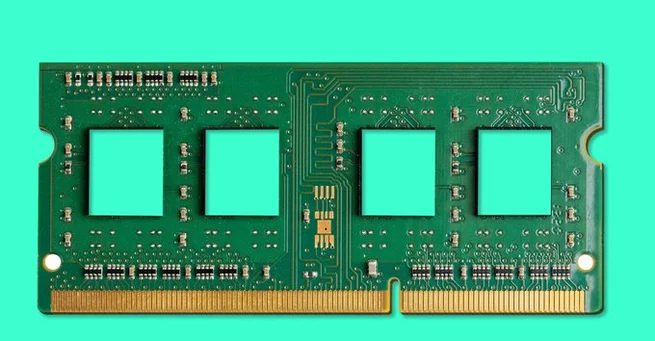
RAM shortage 2026 is no longer a distant industry problem — it’s quickly becoming a consumer reality. Memory prices have surged dramatically, with some types of RAM tripling or even sextupling in cost. While many people assume this only affects PC builders, the truth is much bigger. Phones, laptops, consoles, routers, and even smart appliances are now feeling the ripple effects. If you plan to upgrade any device soon, rising RAM costs could hit your wallet harder than expected.
Why RAM Prices Are Suddenly Exploding
At the center of the crisis is a massive surge in demand driven by artificial intelligence. AI systems require enormous amounts of high-speed memory to process data efficiently. Tech giants are racing to build AI infrastructure, and that demand is consuming a huge portion of global RAM supply.
Compounding the problem is the industry’s concentration. A handful of major manufacturers dominate global memory production. With limited suppliers and skyrocketing demand, prices have climbed rapidly. Manufacturers are prioritizing high-margin AI clients over consumer electronics, tightening supply even further for everyday devices.
AI Demand Is Reshaping the Memory Market
Artificial intelligence has fundamentally changed how RAM is used. Traditional consumer devices require moderate amounts of memory, but AI servers demand significantly more. Data centers now use specialized high-bandwidth memory (HBM), which is both expensive and difficult to produce at scale.
Companies building AI infrastructure are locking in long-term memory supply agreements. This reduces availability for consumer hardware manufacturers. Even companies like Nvidia and Meta are competing aggressively for memory resources, intensifying shortages across the broader tech ecosystem.
Devices Most Affected by the RAM Shortage
Consumers may not buy memory chips directly, but they buy products that depend on them. Nearly every modern device relies on RAM, making the shortage widespread and unavoidable.
Smartphones are among the first categories feeling pressure. New models increasingly rely on more memory to support AI features, better cameras, and advanced apps. As RAM becomes more expensive, manufacturers may pass those costs directly to buyers.
Gaming consoles and handheld devices are also at risk. Upcoming releases could launch at higher prices or face limited availability due to constrained memory supply. Even established platforms may see slower refresh cycles as companies wait for costs to stabilize.
Laptops and tablets are another major category impacted by rising memory costs. With productivity tools and AI features becoming standard, baseline RAM requirements are increasing. This makes it harder for manufacturers to maintain affordable entry-level devices.
Hidden Impact: Everything With a Chip Gets Pricier
The RAM shortage extends far beyond personal gadgets. Modern infrastructure depends heavily on embedded computing. Routers, smart TVs, medical equipment, vehicles, and industrial machines all rely on memory chips.
Internet service providers may face higher equipment costs, potentially leading to increased rental fees for routers and modems. Businesses upgrading servers could also see higher operational expenses, which may trickle down into higher prices for digital services.
Even sectors like agriculture and healthcare could feel indirect effects. Equipment upgrades may slow down due to higher component costs, delaying technological improvements in critical industries.
Could Products Be Delayed or Cancelled?
One growing concern is whether memory shortages could disrupt product roadmaps entirely. Some industry insiders warn that companies may delay launches or cancel hardware projects if memory costs remain elevated.
Historically, supply constraints have already caused product delays in the semiconductor industry. A prolonged RAM crunch could create similar disruptions. Smaller manufacturers are particularly vulnerable because they lack the purchasing power to secure guaranteed memory supply.
This could lead to fewer hardware choices for consumers and slower innovation cycles across multiple categories.
Why the RAM Shortage May Last Longer Than Expected
Unlike short-term supply chain disruptions, the RAM shortage is tied to structural changes in the tech landscape. AI investment continues accelerating, and new data centers are being built worldwide. Each facility consumes massive amounts of memory, sustaining pressure on supply.
Building new memory fabrication plants takes years and billions of dollars. Even if manufacturers expand production today, meaningful relief may not arrive quickly. Meanwhile, AI demand shows no signs of slowing, suggesting the imbalance could persist well into the future.
How Consumers Can Prepare for Rising Device Costs
While consumers cannot control global memory supply, they can make smarter buying decisions. Delaying non-essential upgrades could help avoid peak pricing cycles. If a device upgrade is necessary, choosing models with sufficient RAM for long-term use may offer better value.
Refurbished or last-generation devices could also become attractive options as new hardware prices rise. Businesses and professionals may benefit from planning hardware refresh cycles carefully to avoid budget shocks.
Understanding the memory market’s impact can help consumers make more informed decisions in a volatile tech environment.
RAM Is Now a Strategic Resource
Memory chips were once considered a routine component, but that perception is rapidly changing. In an AI-driven era, RAM has become a strategic resource shaping the future of technology. From smartphones to cloud infrastructure, memory availability now influences innovation timelines and pricing trends.
As AI continues reshaping the global tech industry, the RAM shortage highlights a broader shift. Hardware components once taken for granted are becoming critical battlegrounds. For consumers, that means higher prices, fewer choices, and a growing need to understand the forces driving the devices they rely on every day.



Contact Information





Suggested Writers
-

2.5K articles
-

1.3K articles
-

34 articles
-

28 articles



Comment