
-
4 minutes, 57 seconds
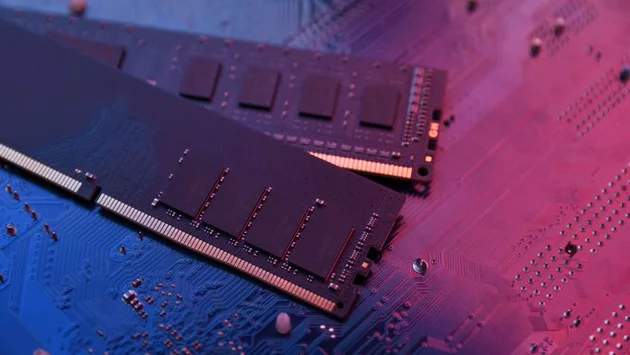
Gamers, PC builders, and tech enthusiasts are facing another hit to their wallets as DDR5 RAM prices continue to climb at alarming rates. Data from Germany reveals that DDR5 memory now costs 4.4 times more than it did just six months ago, signaling a worrying trend for system memory worldwide. While DDR4 and DDR3 RAM remain slightly more affordable, their price hikes are beginning to mirror DDR5’s staggering inflation.
This surge comes as part of a broader global memory crisis, with German retailer data serving as an early indicator of market trends. For those looking to upgrade their PCs or laptops, the timing has never been more challenging.
Tech site 3D Center, known for tracking German RAM prices, reported a 27% month-on-month increase in DDR5 memory as of January 2026. This data, compiled from 20 DDR5 products across various capacities and speeds, excludes third-party sellers and focuses solely on official retailers.
The numbers illustrate just how fast DDR5 prices are inflating, with an average kit now costing more than four times its mid-2025 price. For comparison, DDR4 RAM has been slower to rise but is now beginning to follow a similar trajectory.
While DDR5 grabs headlines with its sky-high prices, DDR4 and even DDR3 memory are starting to catch up. Industry watchers note that rising DDR4 prices in Germany reflect broader supply chain pressures, increased demand for high-performance computing, and ongoing semiconductor shortages.
Consumers who hoped to avoid the steep DDR5 costs by choosing older DDR4 kits may find that option disappearing soon. Even budget-conscious builds are now seeing memory inflation, making system upgrades increasingly expensive across the board.
Germany often serves as a bellwether for European and global tech markets, meaning these surging RAM prices are unlikely to remain localized. Analysts warn that the combination of high DDR5 costs and accelerating DDR4 price increases may persist throughout 2026.
For PC enthusiasts, content creators, and gamers, this means higher costs for new builds and upgrades. Some may postpone purchases, potentially slowing adoption of next-gen platforms that rely heavily on DDR5 memory.
Several factors are driving the ongoing RAM price crisis. Manufacturing constraints, higher demand for AI-ready PCs, and supply chain bottlenecks are all contributing to rapid price inflation. Additionally, the shift toward DDR5 as the industry standard has amplified shortages, making existing stock even more valuable.
Analysts also point to geopolitical factors and energy costs affecting production, which are trickling down to retailers and ultimately consumers. With no immediate solution in sight, RAM buyers should brace for continued volatility in memory prices.
For anyone planning a PC upgrade in 2026, the timing has become a critical consideration. Waiting for prices to normalize may be risky, as DDR4 and DDR5 prices appear to be rising in tandem. For builders, this may mean adjusting budgets or opting for smaller capacity kits to balance cost and performance.
While RAM manufacturers may eventually increase production to ease shortages, historical trends suggest that memory pricing spikes tend to persist longer than expected. Consumers may need to adapt to a market where high-cost RAM has become the new normal.
Rising DDR5 and DDR4 RAM prices are a clear signal that system memory inflation is far from over. With Germany leading the charge, global buyers may soon feel the pinch across all memory tiers, making 2026 one of the most challenging years for PC upgrades in recent memory.

2.5K articles

1.3K articles

34 articles

28 articles













Comment