Qualcomm Handheld Gaming Plans Quietly Shift Before GDC
Expectations around Qualcomm handheld gaming news have taken a sudden turn. Many gamers were hoping the chipmaker would unveil new Windows gaming handheld developments at the 2026 Game Developers Conference, but those plans have now changed. Instead of showcasing new Snapdragon gaming chips, the company confirmed it won’t be making any major announcements at the event. The shift has sparked fresh speculation about delays, supply challenges, and rising competition in the fast-moving handheld gaming space.
While Qualcomm insists its long-term vision remains intact, the silence at GDC is already reshaping conversations about who will dominate the next wave of portable gaming hardware.
No Snapdragon Gaming Updates at GDC
Earlier hints suggested Qualcomm might use the event to introduce Arm-based processors built specifically for handheld gaming PCs. These chips were expected to target devices similar to the Steam Deck and ROG Ally. Such a move would have placed Qualcomm directly in the middle of the handheld gaming revolution currently transforming PC gaming.
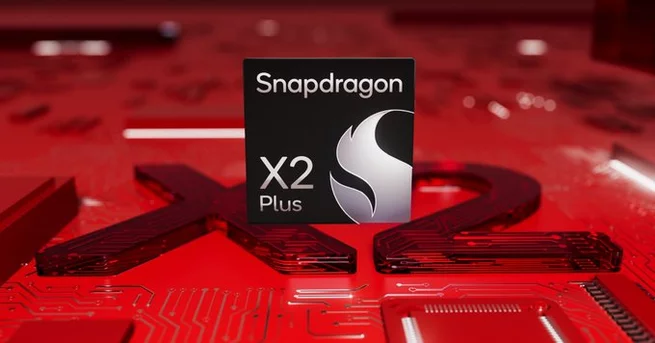
However, the company has now clarified that no Snapdragon G Series updates will appear at the conference. Journalists and developers also won’t get hands-on time with newer Snapdragon X chips that were rumored to power next-generation handheld gaming systems.
That sudden reversal has surprised industry watchers, especially given the strong momentum behind Arm-based Windows devices.
Qualcomm Says Commitment to Gaming Remains Strong
Despite the cancellation, Qualcomm has emphasized that its broader gaming ambitions haven’t changed. The company says Snapdragon X and G Series processors are still central to its strategy across PCs, handheld devices, and emerging gaming platforms. According to official statements, more information will arrive later — just not at GDC.
This careful messaging suggests a delay rather than a cancellation. Qualcomm appears keen to reassure developers and hardware partners that handheld gaming remains a priority. Still, without a new timeline, uncertainty is filling the gap where excitement once stood.
For consumers, the silence raises practical questions about when — or if — Qualcomm-powered handheld gaming PCs will hit the market.
Memory Shortages Could Be the Real Reason
Although Qualcomm hasn’t confirmed the exact cause, industry signals point toward supply chain challenges. A growing memory shortage has already begun affecting multiple sectors within the tech industry. Rising demand from AI hardware manufacturers has strained global memory production, leaving fewer components available for other devices.
Executives have previously hinted that memory constraints are limiting chip production. Device manufacturers are reportedly scaling back builds because key components are harder to secure. If true, this could explain why Qualcomm is choosing caution instead of launching new gaming hardware initiatives prematurely.
This ongoing component crunch may reshape product timelines across smartphones, laptops, and gaming devices alike.
Rising Competition From Nvidia and Intel
Qualcomm’s delay comes at a critical moment. Rivals like Nvidia and Intel are aggressively pushing into handheld gaming chips. Nvidia is rumored to be working on its own Arm-based gaming CPU, while Intel continues expanding its portable gaming ambitions with dedicated silicon.
If competitors launch first, Qualcomm risks losing its early positioning in the Arm gaming ecosystem. Timing matters deeply in emerging hardware categories, and handheld gaming is still defining its long-term winners.
This intensifying rivalry could ultimately determine which architecture — Arm or x86 — dominates future portable gaming PCs.
Why Handheld Gaming Still Matters
The handheld gaming boom is more than a passing trend. Portable PCs have reshaped how players experience high-performance gaming, allowing console-level titles to run on compact devices. Success stories like the Steam Deck have proven that gamers are willing to trade raw power for flexibility and mobility.
Windows handhelds are seen as the next big evolution, combining PC ecosystems with portable convenience. Qualcomm’s Arm-based approach could enable longer battery life, thinner devices, and always-connected gaming experiences — key advantages over traditional chips.
That’s why even small delays are attracting outsized attention across the gaming and tech industries.
What This Means for Gamers and Developers
For gamers, the delay means waiting longer to see true Arm-powered competition in the handheld PC space. More competition usually leads to better prices, improved battery life, and innovative designs. Without Qualcomm entering the race immediately, the current leaders may retain their advantage for now.
Developers, meanwhile, are closely watching the shift. Native Arm gaming optimization is still evolving, and hardware availability plays a major role in how quickly studios adapt. A slower rollout could delay broader Arm adoption in PC gaming ecosystems.
Even so, many industry observers believe Qualcomm’s entry is inevitable — it’s just arriving later than expected.
The Future of Qualcomm Handheld Gaming
Qualcomm stepping back from a major reveal doesn’t mean the handheld gaming dream is over. Instead, it signals a recalibration during a volatile period shaped by supply shortages and fierce competition. The company continues investing heavily in AI-powered chips and energy-efficient architectures, both of which align well with portable gaming needs.
If memory constraints ease and partnerships strengthen, Qualcomm could still make a dramatic entrance into handheld gaming. A delayed launch might even allow the company to refine its technology and deliver a stronger first impression.
For now, though, the handheld gaming race remains wide open — and every delay gives competitors more room to sprint ahead.











Comment