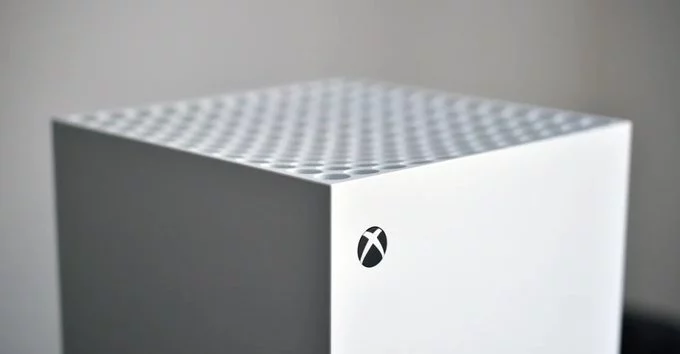
Gamers eager to know when the next generation of Xbox will arrive finally have new clues. During the latest industry presentation, Microsoft shared early details about its upcoming console, currently known by the codename Project Helix. The company confirmed that development is still in its early stages and the platform will not reach an alpha phase until 2027. That timeline suggests the next Xbox generation is still several years away, but it also reveals important hints about performance upgrades, hardware innovations, and the long-term strategy behind the future of the Xbox ecosystem.
New information about Project Helix surfaced during a session at the Game Developers Conference, one of the world’s most influential gatherings for game creators and technology leaders. A senior executive responsible for next-generation hardware discussed how the upcoming console is being designed to push gaming performance much further than today’s systems.
Developers attending the event heard that the console will use a custom processor built in collaboration with AMD. According to early technical discussions, this chip is expected to dramatically improve graphical capabilities and advanced rendering features. One of the most significant improvements will come in the form of a massive leap in ray-tracing performance, a technology that simulates realistic lighting, reflections, and shadows in games.
While detailed specifications were not fully disclosed, the performance increase is expected to be substantial compared with current consoles.
Ray tracing has become one of the most important technologies in modern gaming graphics. It allows game environments to look more realistic by accurately calculating how light interacts with objects in a digital world. However, the technique requires enormous processing power, which is why developers have only begun to fully explore its potential.
Project Helix aims to change that. Engineers working on the system reportedly expect an order-of-magnitude improvement in ray-tracing performance compared with earlier Xbox consoles. Such a leap could allow game developers to build far more immersive environments, with detailed lighting effects running smoothly in real time.
For players, this could translate into more lifelike worlds, better reflections on water or glass surfaces, and more convincing shadows in large open environments.
Despite the excitement surrounding the technology, Microsoft made it clear that the console is still deep in development. The company indicated that Project Helix will not even reach the alpha stage until 2027, meaning the hardware and software platform are still evolving.
An alpha phase typically marks the first point where developers can begin testing early versions of a system. That milestone usually arrives years before a final commercial launch. Because of that timeline, industry observers believe the next Xbox could arrive toward the end of the decade.
This slower development pace also reflects how modern gaming hardware has become more complex. Building powerful consoles now involves balancing graphics performance, artificial intelligence features, cloud integration, and developer tools all at once.
Beyond raw hardware power, Project Helix also appears to be part of a broader strategy for the Xbox platform. Over the past several years, Microsoft has expanded its focus beyond traditional consoles, investing heavily in cloud gaming, subscription services, and cross-platform experiences.
Future hardware is expected to work closely with these services rather than replace them. The goal is to create a connected ecosystem where players can move between devices while maintaining access to the same games and digital libraries.
By developing Project Helix alongside its broader gaming infrastructure, Microsoft is positioning the next Xbox as more than just a console upgrade. Instead, it could represent a deeper evolution of how games are played, shared, and experienced across multiple platforms.
Although the next Xbox is still years away, the early glimpse of Project Helix already hints at a major generational leap. A custom AMD processor, huge improvements in ray tracing, and a long development timeline suggest Microsoft is aiming for a significant technological jump rather than a minor upgrade.
For gamers, patience will be required before the console becomes reality. However, the details revealed so far show that the future of Xbox is being built around powerful graphics, immersive worlds, and a broader gaming ecosystem that extends well beyond the living room.
If those ambitions become reality, Project Helix could define the next era of console gaming.
Access our platform effortlessly on-the-go through our user-friendly mobile apps.






Comment