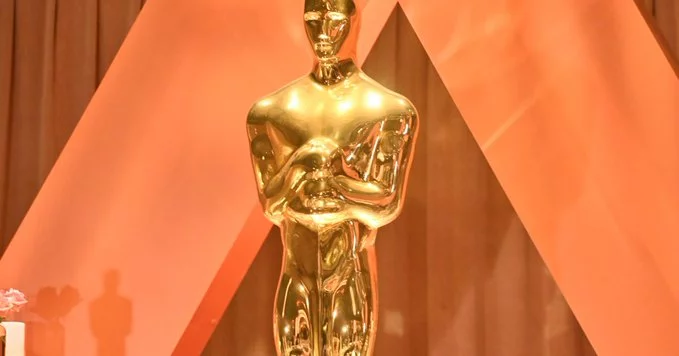
Prediction markets are increasingly shaping how audiences interact with major cultural events like the Oscars. Instead of simply watching winners get announced, fans can now place wagers on who will take home the awards. Platforms that specialize in forecasting outcomes through financial bets are pushing this trend further, transforming awards season into a speculative game. While betting on the Oscars is not new, the growing role of prediction markets signals a bigger shift in how entertainment, media, and gambling intersect.
Prediction markets were originally designed as platforms where users could speculate on future outcomes by trading contracts tied to real-world events. These events often included elections, economic indicators, or geopolitical developments. Recently, however, entertainment has become a growing focus.
Awards shows like the Oscars offer the perfect environment for speculation. Fans already spend months predicting winners, analyzing critics’ reviews, and debating performances. Prediction markets convert that speculation into a financial activity, allowing users to place money on which film, actor, or director will win.
This shift reflects a broader cultural trend where more aspects of daily life are being turned into markets. From politics to pop culture, nearly anything can become a subject of prediction-based trading.
Awards season has always sparked intense speculation among film fans. Critics, journalists, and viewers regularly debate who deserves the top prizes. Now prediction markets are amplifying that excitement by attaching real financial stakes to those predictions.
In recent years, companies have begun presenting data about these betting markets alongside traditional entertainment coverage. This information often highlights which nominees traders believe are most likely to win. For many viewers, it adds a new layer of intrigue to the awards race.
Yet the growing visibility of these markets also raises questions about whether entertainment events are gradually becoming another form of gambling-driven spectacle.
One of the biggest changes prediction markets bring to the Oscars conversation is real-time forecasting data. These platforms constantly update probabilities based on how users are betting, creating a dynamic snapshot of public expectations.
Entertainment outlets and social media discussions increasingly reference these probabilities during awards season. Instead of relying solely on critics’ opinions or industry buzz, audiences can now track market-driven predictions that shift hour by hour.
Supporters argue that this data reflects genuine audience sentiment because participants have money at stake. Critics, however, caution that betting markets do not necessarily represent the broader public’s views.
Prediction markets are part of a wider cultural phenomenon sometimes described as the “everything is gambling” era. Technology platforms have made it easier than ever for people to place bets on sports, finance, politics, and entertainment.
This expansion has blurred the lines between speculation, investment, and entertainment. For many users, predicting outcomes becomes a game that mixes data analysis with risk-taking. Awards shows like the Oscars simply provide another venue for that behavior.
The shift is also happening alongside the rapid growth of online financial platforms, where real-time trading and speculation are already common. Prediction markets are applying similar mechanics to real-world events.
For prediction market platforms, major cultural events offer powerful visibility. Millions of viewers watch the Oscars each year, making it a prime opportunity to introduce audiences to prediction-based trading.
By tying their data to popular entertainment discussions, these platforms position themselves as tools for understanding public sentiment. The strategy also helps normalize the idea that speculation on real-world outcomes is part of modern digital culture.
For audiences, the appeal is simple: betting on awards outcomes adds another layer of excitement to an already highly anticipated event.
The integration of prediction markets into awards season hints at a broader transformation in how people engage with entertainment. Viewers are no longer just passive spectators; they are increasingly participants in interactive prediction ecosystems.
As technology platforms continue expanding into media and cultural events, this model could spread to more areas of entertainment. Reality shows, film releases, and even streaming rankings could become new arenas for speculation.
Whether this trend ultimately enhances fan engagement or raises concerns about the gamification of culture remains a subject of debate. What is clear, however, is that prediction markets are reshaping how audiences experience events like the Oscars—turning a night of celebration into something that increasingly resembles a financial game.
Access our platform effortlessly on-the-go through our user-friendly mobile apps.





Comment