Alerts

-
3 minutes, 33 seconds
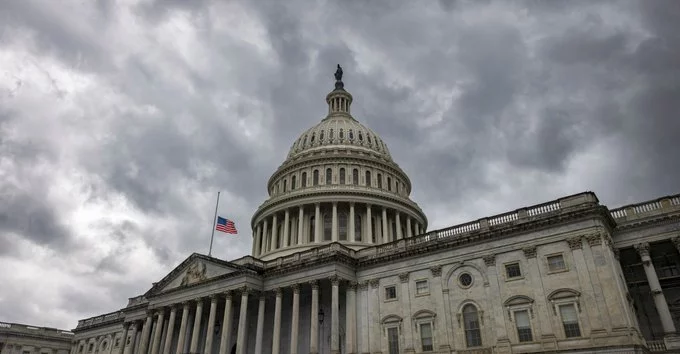
The Power To The Players Act would guarantee that when someone buys a video game, they own it rather than receiving only a license. That distinction is the central purpose identified for the bill: a purchase would mean ownership of the game, not merely permission to use it under a license.
In practical terms, the proposal is about what buyers receive when they pay for a game. The source describes the bill as a measure that would make ownership a guarantee, replacing the possibility that a buyer’s purchase amounts only to a license. It does not provide further details about how the guarantee would work or what specific rights ownership would include.
The bill is titled the Power To The Players Act. Its stated aim is to address the difference between buying a game and licensing it, ensuring that the transaction means the buyer owns the video game. The proposal therefore focuses on the status of the game after purchase: ownership, rather than a license alone.
The Power To The Players Act has been introduced in Congress. Its introduction puts the question of what it means to buy a video game before lawmakers: whether a purchase means the buyer owns the game, or merely holds a license to use it.
The bill’s stated aim is to guarantee that buying a game means you own it, not license it. That distinction is central to the measure and to the debate surrounding game purchases. Ownership and licensing are different ways of describing what a buyer receives, and the Act would address that difference directly.
The introduction of the bill does not, by itself, establish that its proposed guarantee has become law. Rather, it signals that the issue has been brought to Congress through a legislative proposal. The bill’s central promise is straightforward: a person who buys a game should own it. The proposal therefore frames game ownership as a matter for Congress to consider, focused on the difference between owning a purchased game and receiving only a license.
The distinction at the center of the Power To The Players Act is whether buying a video game means owning it or merely receiving a license to use it. The bill would guarantee that buying a game means you own it, rather than license it.
That difference is the focus of the proposal: ownership and licensing are not treated as interchangeable. A purchase may be described as buying a game, but the bill’s stated aim is to make clear that the buyer owns the game instead of simply holding a license. Its central promise is therefore about what “buying” means for players.
The source article does not provide further details about how the bill would define ownership, what rights ownership would include, or how the proposal would apply to particular games or transactions. What it establishes here is the basic contrast: the Power To The Players Act would guarantee ownership when a game is bought, not merely a license.
The article identifies the proposed legislation as the Power To The Players Act, a bill introduced in Congress. Its central point is the ownership guarantee described in the article: buying a game would mean that the buyer owns it, rather than merely holding a license to use it. The distinction is between ownership of a purchased game and permission to use a game under a license.
That is the specific claim the article establishes about the bill. It presents the proposed guarantee in direct terms, linking the act’s name to the idea that a game purchase should amount to ownership. The article does not establish that the bill has become law; it identifies it as a bill introduced in Congress and describes what it would guarantee. Accordingly, the ownership claim should be understood as a proposal attributed to the act, not as a statement that the legal status of game purchases has already changed.
In short, the article names the bill and states its proposed principle: buying a game means owning it, not simply licensing it.








Comment