
-
7 minutes, 43 seconds
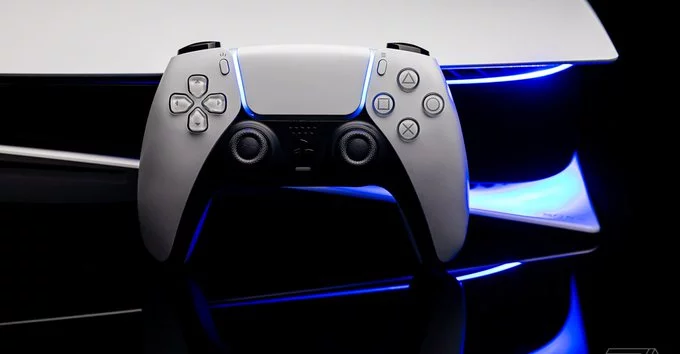
Is PlayStation stopping PC ports? Are PS5 exclusives making a comeback? Reports suggest that Sony Interactive Entertainment is scaling back its PlayStation PC ports strategy, potentially canceling a PC version of Ghost of Yōtei. If accurate, the move signals a major shift in direction for the PlayStation brand—one that could reshape how and where gamers experience future releases.
For years, Sony leaned into PC and mobile expansion. Now, it appears the company may be returning to a more traditional, console-first model focused on driving PlayStation 5 sales through exclusive titles.
Just a few years ago, Sony publicly aimed to bring roughly half of its game releases to PC and mobile platforms. That vision materialized through high-profile PC launches from major franchises like The Last of Us Part I, Horizon Zero Dawn, and God of War. The strategy was clear: expand beyond console boundaries and capture a broader global audience.
However, recent reports indicate that several PlayStation PC ports did not meet internal sales expectations. While some titles performed respectably, they reportedly fell short of blockbuster-level projections. For a company balancing development budgets and shareholder pressure, that matters.
Canceling or postponing PC plans for Ghost of Yōtei could be an early sign that Sony is recalibrating its cross-platform ambitions.
Ghost of Yōtei was rumored to be part of Sony’s broader PC push, continuing the trend of bringing once-exclusive titles to new audiences. If the PC version has indeed been scrapped, it represents more than just one canceled port—it reflects a philosophical pivot.
Sony has not officially confirmed the cancellation. As with many strategic shifts, plans can evolve quickly depending on market conditions. But even the possibility of pulling back highlights growing caution inside PlayStation leadership.
For PC gamers hoping for day-and-date PlayStation launches, this news may feel like a step backward.
For much of its history, PlayStation built its reputation on exclusives. From cinematic adventures to prestige single-player epics, the brand thrived on must-play titles available only on its consoles.
Returning to that strategy could strengthen the PlayStation 5’s value proposition. Exclusive games create urgency. They give players a reason to choose one console over another. And in a competitive market, differentiation matters more than ever.
This approach has worked exceptionally well for Nintendo, whose hardware sales are closely tied to exclusive franchises. Sony may be aiming to replicate that formula more aggressively moving forward.
Sony’s potential shift contrasts sharply with the aggressive multiplatform approach adopted by Microsoft for its Xbox division. Xbox has embraced PC as a pillar of its ecosystem and increasingly releases games across competing platforms.
While this strategy broadens reach, it has also blurred the identity of what an Xbox console represents. Hardware exclusivity once defined console wars. Now, ecosystem flexibility dominates Microsoft’s messaging.
Sony may be trying to avoid similar brand dilution. By refocusing on exclusives, PlayStation reinforces a clear message: if you want certain premium experiences, you need a PS5.
For current PlayStation 5 owners, this news could be reassuring. More exclusives typically mean greater long-term value for console buyers. If Sony doubles down on PS5-first development, players may see stronger optimization, tighter integration with DualSense features, and fewer compromises designed for cross-platform compatibility.
Exclusivity can also enhance prestige. It reinforces the idea that PlayStation offers something distinct—not just another way to play the same titles available elsewhere.
However, it also limits accessibility. PC players who invested in Sony’s recent PC expansion may feel left out if future games skip the platform entirely.
Game development costs continue to rise. AAA titles require massive teams, longer production cycles, and global marketing campaigns. When ports underperform, executives reassess priorities.
PC development introduces additional testing requirements, hardware compatibility challenges, and post-launch support obligations. While expanding to PC can extend a game’s lifecycle, it also increases operational complexity.
If Sony determines that exclusives drive stronger hardware sales and brand loyalty, narrowing its focus becomes a rational business move—not just a nostalgic one.
Strategic pivots in gaming rarely stay permanent. Sony previously committed to broader PC integration, and the industry landscape evolves quickly. Market response, competitor actions, and player demand all influence future decisions.
If upcoming exclusives exceed expectations and boost PS5 sales, Sony may double down on the console-first approach. If demand for PC versions remains strong, selective ports could return.
Flexibility remains key in a market defined by rapid technological change and shifting consumer habits.
At its heart, this shift is about identity. Is PlayStation a platform ecosystem that exists everywhere—or a premium console experience defined by exclusivity?
Pulling back from PC ports suggests Sony is choosing clarity over expansion. By strengthening its console-first philosophy, PlayStation reinforces what made it powerful in the first place: unforgettable games you can’t play anywhere else.
For gamers, the coming months will reveal whether this strategy revitalizes the brand or limits its reach. Either way, the PlayStation PC ports debate marks one of the most consequential turning points in Sony’s modern gaming history.
And for now, the message seems clear: console exclusives might be making a comeback.

2.6K articles

1.4K articles

34 articles

28 articles














Comment