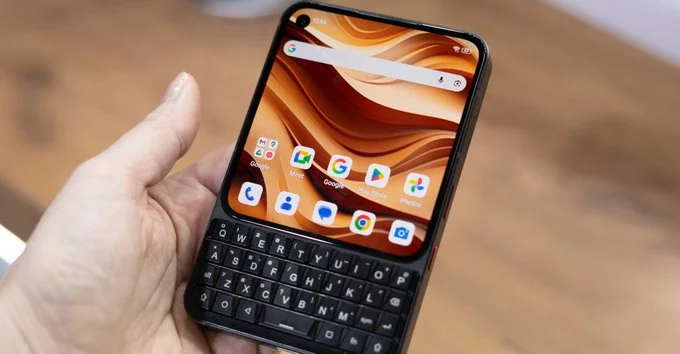
Struggling to stay focused with constant notifications? The “phone away” trend is gaining traction as more people explore using a secondary smartphone to limit distractions. This approach isn’t about abandoning technology—it’s about creating a minimalist device dedicated to calls, texts, or essential apps while leaving social media and endless notifications behind. At this year’s Mobile World Congress (MWC 2026), the trend was hard to miss, signaling that a growing number of users are seeking simpler, distraction-free experiences.
Among the booths at MWC 2026, Unihertz stood out with its Titan Elite 2. Visitors were drawn first to its striking cosmic orange design, but it was the tactile QWERTY keyboard that really caught attention. Slim, light, and pocketable, this phone is designed to feel effortless in the hand. Reviewers and attendees alike noted the joy of typing on physical keys, contrasting sharply with the glass-and-aluminum slabs dominating the market. Many found themselves reluctant to put it down—a sentiment that highlighted a growing desire for devices that prioritize usability over flashy specs.
Secondary smartphones, sometimes called “focus phones” or “minimalist devices,” serve a simple but powerful purpose: reducing mental clutter. With a dedicated device, users can separate work from leisure, allowing notifications, apps, and distractions to stay confined to one device. For professionals, students, or anyone feeling overwhelmed by digital noise, these devices act like a digital detox without disconnecting entirely. MWC 2026 showcased how this concept is evolving beyond basic functionality, combining nostalgia, practicality, and sleek design.
MWC 2026 wasn’t just about secondary phones—it offered a glimpse into the bizarre and creative side of mobile tech. Attendees spotted phones equipped with electric igniters (though nonfunctional at the demo), gimbal cameras resembling DJI Osmo setups, and even devices designed for pets. While most of these ideas may never reach mass adoption, they reflect a broader trend: users are hungry for devices that stand out from the generic slab phones dominating the market. This curiosity-driven experimentation keeps innovation alive and encourages brands to rethink the smartphone experience.
The appeal of secondary smartphones aligns with shifting digital habits. Remote work, flexible schedules, and increasing screen fatigue have created demand for tools that help manage attention. A secondary phone provides a simple solution: essential connectivity without the constant pull of social media or streaming apps. It’s a compromise between staying connected and protecting mental space. Early adopters report feeling more present during conversations, more productive at work, and less stressed overall—a combination that may help this trend grow well beyond early tech enthusiasts.
Looking ahead, secondary smartphones are likely to become more specialized. Expect slimmer designs, longer battery life, and software that enhances focus rather than distracts. As more people experiment with splitting their digital lives across multiple devices, brands like Unihertz are poised to lead this niche market. While not everyone may adopt a secondary phone, the trend signals a cultural shift toward valuing intentional device use—a subtle but significant change in how we interact with technology.
At MWC 2026, the takeaway was clear: smartphones are no longer just tools—they are lifestyle choices. Secondary phones, quirky designs, and minimalist devices reflect a growing desire for simplicity and focus in an increasingly connected world. As users seek balance between digital convenience and mental clarity, the “phone away” trend could redefine what it means to own a smartphone.






Comment