Alerts

-
2 minutes, 7 seconds
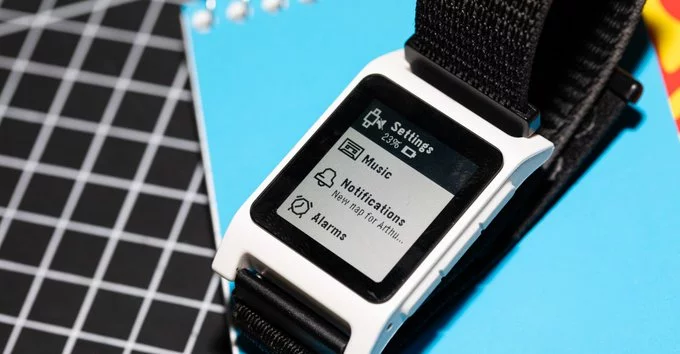
Pebble founder Eric Migicovsky says his 30-day warranty is all about trust. In a world where companies often hide behind long, confusing policies, Migicovsky takes a different approach. He believes that a short, honest warranty actually proves you believe in your product. This article breaks down why this strategy works and what it means for customers and brands alike.
Most tech companies offer 1-year or longer warranties. But Migicovsky argues that a 30-day warranty forces a brand to be transparent. If a product fails after 30 days, the company must have built it well enough that it simply doesn’t fail. This shifts the focus from legal protection to product quality.
For buyers, a 30-day warranty feels refreshingly simple. You don’t need to read a 10-page document. You know that if something goes wrong in the first month, you’re covered. After that, the product must earn its keep. This honesty reduces buyer anxiety and speeds up purchase decisions.
Pebble’s smartwatches are built to last. By offering only 30 days, Migicovsky signals that the hardware is reliable. It also encourages the company to fix any design flaws quickly—because if a problem appears after day 31, the brand’s reputation takes a hit.
If you run a business, consider this: A short warranty can be a powerful marketing tool. It says you stand behind your product without hiding behind legalese. It also forces you to improve quality control. The result? Fewer returns, happier customers, and stronger word-of-mouth.
Eric Migicovsky’s 30-day warranty isn’t about limiting liability—it’s about building a relationship. In an era of distrust, a simple, honest policy stands out. Whether you’re a startup or an established brand, consider how your warranty reflects your values. Sometimes, less really is more.










Comment