Alerts

-
4 minutes, 14 seconds
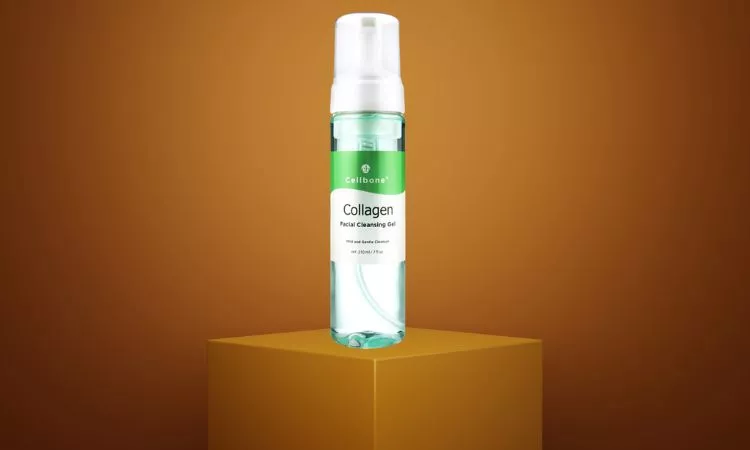
Washing your face feels like the most responsible thing you can do for your skin. But for a significant number of people, the problem is that they cleanse too much. Chronic dryness, persistent redness, and that inexplicable tightness after washing are often telltale signs of a compromised skin barrier, and over-cleansing is frequently to blame. Reaching for a facial cleansing gel twice a day might seem like solid skincare hygiene, but when the wrong formula is used too often, it works against the very barrier it's meant to protect. This post breaks down exactly how over-cleansing damages the skin and what a smarter routine actually looks like.
The stratum corneum, the outermost layer of the epidermis, is held together by a lipid matrix of ceramides, free fatty acids, and cholesterol. This structure keeps environmental aggressors out and moisture in. When it's intact, transepidermal water loss (TEWL) stays low and the skin feels resilient. Sitting on top of this is the acid mantle: a slightly acidic film with a pH between 4.5 and 5.5, formed by sebum and naturally occurring amino acids. It supports barrier repair enzymes and keeps the shedding of dead cells (desquamation) moving at a controlled pace.
Repeated cleansing with high-pH formulas shifts the acid mantle toward an alkaline state, slowing down the very enzymes responsible for barrier repair. Skin that once felt normal starts cycling through dryness, sensitivity, and irritation that no moisturizer fully corrects.
That squeaky-clean sensation after washing, where the skin pulls when you move your face, is not a sign of a thorough cleanse. It's a sign the lipid layer has been stripped. When moisturizer is applied and the tightness returns within an hour, the problem is barrier dysfunction.
Paradoxical oiliness is another less obvious symptom. When sebum is repeatedly stripped, sebaceous glands compensate by producing more of it, leaving skin oilier within hours of cleansing. This feedback loop often pushes people toward more aggressive cleansing, compounding the damage rather than resolving it. Persistent flaking and heightened sensitivity to previously tolerated products round out the picture.
pH alignment is the first thing worth checking. A cleanser sitting at pH 5.0 to 6.0 will cause significantly less disruption to the acid mantle than one at 7.0 or above. Most traditional bar soaps sit between 9 and 10, which explains why dermatologists moved away from recommending them for facial use. Beyond pH, hydrating agents like sodium hyaluronate, glycerin, and panthenol (pro-vitamin B5) in the formula help offset any transient moisture loss during cleansing. Niacinamide is a valuable supporting ingredient here too, as it actively promotes ceramide synthesis and reinforces barrier function over time.
Fragrance and alcohol denat are worth avoiding, particularly in skin that's already reactive. Both are well-documented irritants in compromised barriers, and a formula genuinely designed to support the stratum corneum will typically be free of both.
For most skin types, twice daily is the upper ceiling of a healthy cleansing routine. Those already experiencing barrier compromise often see faster recovery by scaling back to once daily, evening only and using plain lukewarm water in the morning. Hot water vasodilates cutaneous blood vessels and accelerates lipid extraction, contributing to redness in sensitive and reactive skin. Cleanse time should stay under 60 seconds; prolonged surfactant contact increases barrier disruption even with gentle formulas.
Even a mild cleanser can temporarily shift surface pH upward. Applying a face cleanser toner with a pH between 4.5 and 5.5 immediately after rinsing helps restore the acid mantle faster than leaving skin to self-correct. This matters most for those layering active ingredients afterward, AHAs and retinoids both perform more predictably on a skin surface at the correct pH. An alcohol-free toner with centella asiatica extract, allantoin, or niacinamide handles pH correction and barrier-supportive delivery in one step.
Indirectly, yes. Stripped sebum triggers compensatory sebaceous overproduction, and a weakened barrier allows acne-causing bacteria to penetrate more easily, both conditions favor breakouts.
Gel cleansers with SLS or alkaline pH can be drying for any skin type. Gel formulas built on amino acid surfactants with added humectants are appropriate for dry skin.
Rarely. Unless there's significant sweat or environmental exposure between washes, a third cleanse typically does more barrier damage than the cleansing benefit justifies.
With a simplified, non-irritating routine, measurable barrier recovery can begin within two to four weeks. Full restoration of the ceramide-lipid matrix may take longer depending on how long over-cleansing was occurring.
Micellar water is gentler for light use, but it isn't effective enough to fully remove sunscreen or heavy sebum. A well-formulated gel cleanser, used correctly, is more thorough without being more damaging.


8.4K articles

2.7K articles

1.6K articles

34 articles








Comment