
Alerts
-
3 minutes, 17 seconds
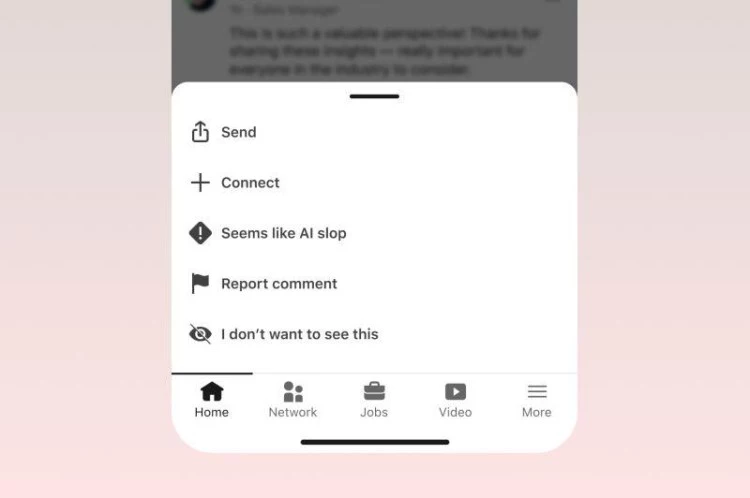
LinkedIn’s AI-assisted posting tool has already crossed a significant milestone, according to a company spokesperson. The feature, which helps users generate draft posts from brief prompts, has been used over 1 million times since its rollout. This rapid adoption signals a strong appetite among professionals for AI support in content creation, even on a platform known for personal branding.
The sheer volume of usage suggests the “AI button” is not a niche experiment but a mainstream utility. While LinkedIn has not broken down the data by user type or region, the million-use figure points to broad engagement across its membership. The company likely sees this as validation for its investment in generative AI tools, which are now embedded directly into the posting workflow.
This early traction also raises expectations: users who tried the tool once may now expect it to refine tone, length, and format with each iteration. For LinkedIn, the popularity provides a clear signal to double down on improving the feature’s accuracy and relevance, rather than treating it as a passing novelty.
The tool helps users draft posts by generating text based on prompts. A user types in a topic or a few keywords, and the system produces a suggested post that can be edited or published directly. This feature is designed to speed up content creation, especially for busy professionals who want to maintain an active presence on the platform.
However, critics argue that the tool encourages generic, low-effort content. Because the AI relies on common patterns and broad language, the resulting posts often lack the personal voice or specific insight that makes a post engaging. Instead of sparking genuine conversation, these drafts can read as filler—polished but hollow. The concern is that users may lean on the tool for convenience rather than taking time to craft thoughtful, original updates, ultimately cluttering feeds with similar-sounding posts that add little value to the professional community.
User feedback on the AI button is sharply divided. As one product manager noted, “It’s a huge time-saver for drafting quick updates,” echoing a sentiment that the tool reduces friction for busy professionals. These users appreciate the convenience of generating a polished post from a simple prompt, especially for those who struggle with writing.
However, a significant backlash is forming. Many complain that the feature is contributing to an influx of “AI slop” cluttering their feeds. Critics argue that the generated content often feels generic, inauthentic, and devoid of personal insight, leading to a homogenized feed. As one frequent commenter put it, “I can spot an AI post a mile away—it’s all buzzwords and no substance.” This group feels the tool encourages lazy engagement, flooding professional networks with low-effort, formulaic contributions that undermine genuine conversation.
In response to the mixed reception, LinkedIn has clarified that the AI-powered comment tool is optional and not a mandatory feature for users. The platform states that its primary goal is to “help users share insights” more efficiently, reducing the friction of drafting thoughtful responses on the professional network. According to LinkedIn, the tool is designed to assist, not replace, the user’s own voice and judgment.
However, the company is not ignoring the feedback. LinkedIn has confirmed that they are actively monitoring user reactions to the feature. This includes analyzing both positive and negative comments to understand how the tool is being received in practice. The feedback loop is part of a broader effort to refine the experience before any potential wider rollout.
This measured approach suggests LinkedIn is aware of the delicate balance between automation and authenticity. While the tool remains available, its future iterations will likely depend on how well it aligns with user expectations and the platform’s core mission of professional, genuine interaction.










Comment