Alerts

-
3 minutes, 34 seconds
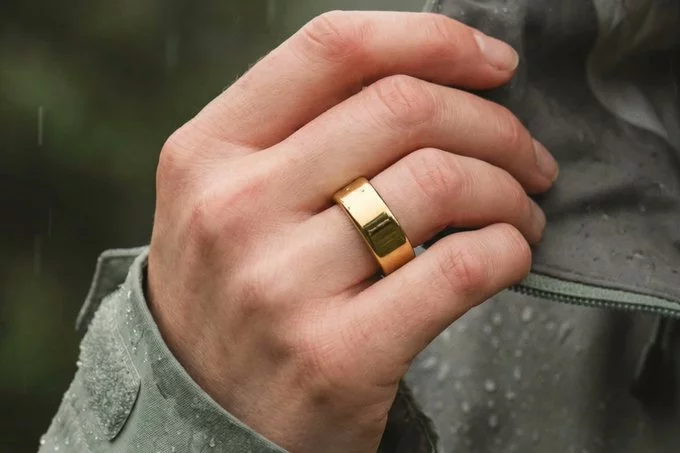
Oura has filed its latest patent lawsuit against Ultrahuman, this time targeting the company’s Ring Pro. The complaint alleges that the smart ring infringes two Oura patents, extending a dispute between the wearable-device makers beyond Ultrahuman’s original Ring. Oura’s new action is described as a separate case focused on the Pro model.
The filing comes as Ultrahuman prepares to launch Ring Pro in the United States. Oura is seeking to block the ring’s import and sale, according to the lawsuit. The case therefore puts the product’s U.S. availability at issue, though the allegations have not been established as findings of infringement.
The new complaint follows Oura’s earlier case concerning Ultrahuman’s Ring, which resulted in a U.S. International Trade Commission decision that barred imports of that device. The Ring Pro lawsuit raises a fresh set of patent claims against a different Ultrahuman product. Its outcome will determine whether Oura can obtain similar relief against the newer model. For now, the central claim in the filing is that Ring Pro infringes two Oura patents.
Oura’s lawsuit alleges that the Ring Pro infringes patents related to wearable technology. The claim is Oura’s allegation, not a finding that infringement has occurred. The source describes a dispute over patents and a specific product, but does not establish that the Ring Pro infringes any patent.
The allegations should therefore be understood as claims made in the lawsuit. The source does not provide detailed descriptions of the patents, identify particular Ring Pro features said to be at issue, or report a court ruling on the merits. It also does not establish whether the companies have resolved the dispute. Those details cannot be inferred from the existence of the lawsuit alone.
Until the claims are assessed, the distinction between an allegation and an established legal conclusion matters. Oura has accused the Ring Pro of patent infringement; the source does not show that a court has accepted that claim.
Oura is the company bringing the lawsuit, while Ultrahuman is the company behind the Ring Pro. The dispute therefore places two makers of smart rings on opposite sides of a legal complaint focused on the Ring Pro. Oura’s filing targets Ultrahuman’s product, rather than presenting a general disagreement between the companies.
The distinction matters when describing the case: Oura is the plaintiff, and Ultrahuman makes the device named in the lawsuit. The available account identifies the companies and their respective roles, but those roles should not be confused with a final finding about the allegations. A lawsuit states claims made by the party bringing it; it does not, by itself, establish that the claims are true or that a court has resolved the dispute.
For readers following the case, the company names also clarify which product is at issue. The Ring Pro is Ultrahuman’s ring, and Oura is the company challenging it through the lawsuit. That is the central relationship between the parties described in the source.
The source establishes that Oura has filed a lawsuit targeting Ring Pro and that the dispute involves allegations of patent infringement. It also identifies the companies involved in the case. Beyond those points, however, the available account is limited: it provides no further details about the patents at issue, the specific conduct Oura alleges infringes them, or the legal arguments either company may make.
The source also does not describe what remedies Oura is seeking. It does not say whether the company is asking for monetary damages, an order restricting sales, or any other form of relief. Nor does it report a response from the defendant or provide information about the lawsuit’s progress in court.
Most importantly, the account does not establish an outcome. It gives no indication that a court has ruled on the claims, that the companies have reached a settlement, or that the case has otherwise been resolved. The filing therefore marks the existence of a legal dispute, but the source alone does not show how it will proceed or whether the allegations will be upheld.










Comment