
Alerts
-
4 minutes, 30 seconds
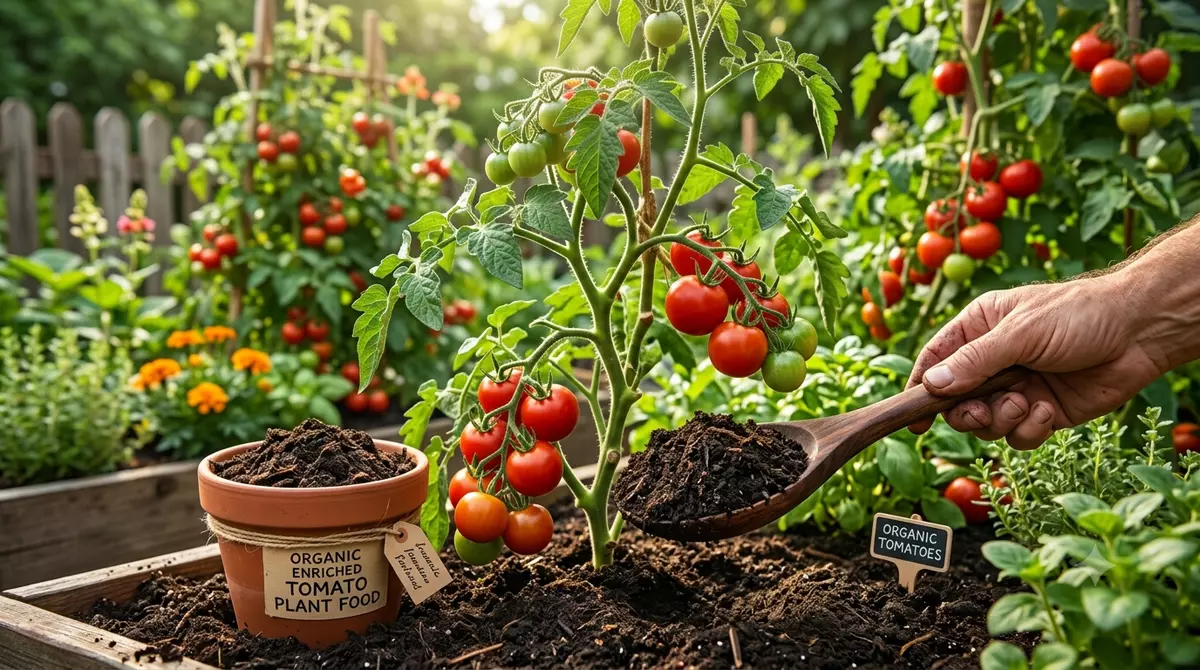
Growing healthy tomato plants requires more than regular watering and sunlight. Tomatoes are heavy feeders that need a balanced supply of nutrients throughout their growing cycle to support strong roots, healthy foliage, and productive fruit development. Soil quality plays a major role in plant performance, and using the right type of nutrition can help maintain the conditions tomatoes need to thrive.
An organic enriched tomato plant food provides essential nutrients derived from natural sources while helping improve soil health over time. Unlike quick-release synthetic fertilizers that mainly focus on immediate nutrient availability, organic-based options are designed to support gradual nutrient release and encourage a healthier growing environment.
Understanding how tomato fertilizers work, when to apply them, and what nutrients tomatoes require can help gardeners make informed decisions for better harvests.
Tomato plants require a combination of major nutrients, including nitrogen, phosphorus, and potassium, commonly referred to as NPK. Each nutrient plays a different role in plant growth.
Nitrogen supports leaf and stem development, phosphorus helps with root growth and flower formation, while potassium contributes to fruit quality, plant strength, and overall resilience. A balanced nutrient supply is especially important during flowering and fruit production stages.
Using an organic enriched tomato plant food helps provide these nutrients in a form that supports steady plant development. Organic ingredients can also contribute to improved soil structure by increasing microbial activity and supporting beneficial organisms within the soil ecosystem.
Organic fertilizers are created from naturally occurring materials such as plant-based ingredients, minerals, composted materials, and other nutrient-rich sources. These ingredients break down gradually, allowing plants to access nutrients over an extended period.
One advantage of an organic enriched tomato plant food is that it focuses not only on feeding the plant but also on improving the growing environment. Healthy soil contains microorganisms that help convert organic matter into nutrients plants can absorb.
This approach supports long-term soil fertility and can be beneficial for gardeners who want to maintain productive growing spaces season after season.
Healthy roots are the foundation of productive tomato plants. Nutrients that encourage root growth help plants absorb water and minerals more efficiently, improving their ability to handle changing weather conditions.
A strong root system also allows tomato plants to establish themselves better and support larger growth throughout the season.
Tomatoes require proper nutrition during flowering and fruit development. Adequate phosphorus and potassium levels help support blooming, fruit formation, and overall plant performance.
Consistent feeding with the right nutrient balance can help plants maintain energy during the demanding fruiting stage.
Unlike some fertilizers that focus only on feeding plants, organic options can contribute to healthier soil. Organic matter improves moisture retention, encourages beneficial microbial activity, and helps create a more balanced growing environment.
Over time, improved soil quality can support stronger plant growth and better garden productivity.
Proper application is important for achieving the best results. The amount and frequency of fertilizer use depend on factors such as soil condition, plant size, growing method, and the product’s nutrient concentration.
Gardeners should follow application instructions carefully and avoid overfeeding plants. Too much fertilizer can create nutrient imbalances and may negatively affect plant growth.
For best results:
Apply fertilizer according to the recommended schedule
Mix nutrients evenly into the soil when required
Water plants after application if needed
Monitor plant growth and adjust feeding practices accordingly
Consistent care combined with proper nutrition helps tomatoes develop throughout their growing cycle.
Tomato plants benefit from nutrients at different growth stages. Fertilizing during planting can help young plants establish roots, while additional feeding during flowering and fruit development supports production.
The exact timing depends on soil quality, climate, and growing conditions. Gardeners should observe plant appearance as well. Yellowing leaves, slow growth, or reduced fruit production may indicate that plants need additional nutrients.
Even with quality fertilizer, incorrect application can limit results. Some common mistakes include applying too much nitrogen, ignoring soil conditions, and failing to maintain consistent watering.
Excess nitrogen can encourage leafy growth while reducing fruit production. Maintaining balance is essential because tomatoes need different nutrients throughout their lifecycle.
Gardeners should also consider soil testing when possible. Understanding existing nutrient levels helps prevent unnecessary applications and supports more effective plant care.
Selecting the right fertilizer depends on the needs of the garden and the growth stage of the plants. A good option should provide balanced nutrients, support soil health, and match the requirements of tomato plants.
An organic enriched tomato fertilizer can be a valuable choice for gardeners looking for a natural approach to improving plant nutrition while supporting long-term soil quality.
Healthy tomato growth depends on proper soil preparation, consistent care, and balanced nutrition. Using an organic enriched tomato plant food can help provide important nutrients while supporting stronger roots, improved soil conditions, and better fruit development. Choosing the right feeding approach, including an organic enriched tomato fertilizer, can help tomato plants receive the support they need throughout the growing season. Gardeners who understand nutrient requirements and apply fertilizers correctly can create a more productive growing environment.



Comment