Alerts

-
3 minutes, 7 seconds
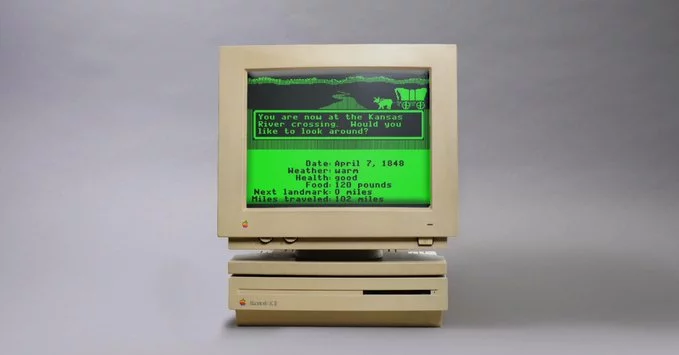
To understand how Version History came together, it helps to know who built it. The game is the work of Zephyo, a designer whose released projects offer a clear window into the thinking behind this brutal edutainment adventure.
Rather than treating the game as an isolated experiment, looking at the designer's broader catalogue reveals the through-lines that shaped it. Zephyo's body of work provides the context for the design decisions that define Version History, from its structure to its tone.
That makes the designer the natural starting point for this breakdown. By examining who made the game and what else they have built, we can trace how the pieces of this particular project fit together.
The sections that follow draw on that perspective, moving from the designer's role to what Version History actually is, how it was assembled, and the approach that guided its creation.
Version History is a brutal edutainment adventure game about the history of version control. It is designed to be a brutal edutainment adventure, a framing that shapes both its subject matter and its tone. The game takes players through the history of version control, turning a topic usually confined to developer tooling into the material for an adventure.
As an edutainment title, it aims to teach while it entertains, and as a brutal one, it does not soften its subject. The combination places Version History in a tradition of games that use difficulty and harshness as part of the learning experience, rather than treating education as something that must be gentle.
The game's focus on version control history means its content reaches back through the tools and practices that shaped how software teams track changes over time. Rather than presenting that history as a dry timeline, Version History wraps it in the structure of an adventure, asking players to move through it rather than simply read about it.
The designer's account of Version History's development is one of iteration rather than a single flash of inspiration. According to the designer, the game came together gradually, as early experiments were reworked and refined over time. Rather than arriving fully formed, it took shape through repeated passes, with ideas being tested, adjusted, and sometimes discarded before the final version emerged.
This process shaped both the mechanics and the feel of the finished game. The designer describes the development as a period of steady assembly, in which separate pieces were brought together and made to fit. What began as scattered concepts eventually cohered into a single, playable whole.
That gradual process helps explain why Version History feels considered rather than rushed. The designer's account suggests that the game's identity was discovered through the work itself, not decided in advance.
The designer has been open about how Version History was built to teach and entertain at the same time. Rather than treating education as a wrapper around play, the team made the historical content the core of the puzzle design itself. Each challenge is tied to a real moment in computing history, so players absorb the facts by working through them rather than reading them.
Key decisions shaped this balance:
The result is an edutainment adventure where understanding the past is the mechanic, not a side note. For the designer, the goal was simple: make players feel like they are exploring history rather than studying it, and let curiosity do the teaching.









Comment