Nvidia Robotaxi Platform Gains Momentum With BYD and Geely
Nvidia robotaxi platform is rapidly expanding as major automakers embrace autonomous driving technology. The company recently confirmed that leading Chinese brands are adopting its system to power next-generation self-driving vehicles. This move answers a key question many are asking: who is winning the global robotaxi race? By partnering with top manufacturers, Nvidia is positioning itself as a central force in the future of mobility.
The announcement marks a significant step for Nvidia as it deepens its influence in the autonomous vehicle ecosystem. At its latest conference, the company revealed that BYD and Geely will integrate its advanced platform into upcoming vehicles. This signals growing confidence in Nvidia’s technology across global markets.
What the Nvidia Drive Hyperion Platform Offers
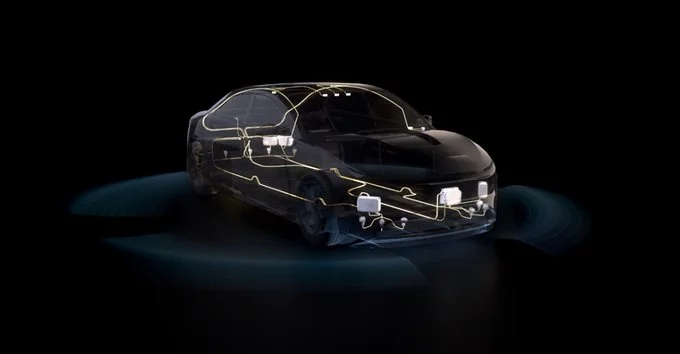
At the center of this expansion is Nvidia’s Drive Hyperion platform, a comprehensive system combining chips, sensors, computing power, and software. Designed for Level 4 autonomy, the platform allows vehicles to operate without human intervention in most conditions. This makes it a critical building block for future robotaxi services.
Unlike traditional car tech, Hyperion is built to handle real-time decision-making using artificial intelligence. It processes massive amounts of data from cameras and sensors, enabling safer navigation in complex environments. Automakers adopting this system can significantly accelerate their self-driving ambitions.
For consumers, this means a future where vehicles can drive themselves in cities, reducing the need for manual control. For companies, it lowers development costs by offering an all-in-one solution instead of building systems from scratch.
BYD and Geely Deepen Their Autonomous Push
The involvement of BYD marks an important shift. Already a dominant force in electric vehicles, the company has been using Nvidia chips in its traditional cars. With this new agreement, it will now deploy the full Hyperion platform in its upcoming autonomous fleet.
Geely, on the other hand, is integrating Nvidia’s latest chips into its premium electric lineup. The automaker is also closely linked to robotaxi services through its supply of vehicles to Waymo. This connection highlights how Nvidia’s ecosystem spans both hardware and real-world deployment.
Together, these partnerships strengthen China’s position in the global EV and autonomous vehicle markets. They also show how quickly traditional automakers are evolving into tech-driven mobility companies.
Global Robotaxi Competition Is Heating Up
Competition in the robotaxi sector is intensifying as companies race to dominate a market expected to reshape transportation. While China leads in electric vehicle production, the autonomous driving space is more evenly contested.
Nvidia’s strategy focuses on being the backbone of this transformation rather than competing directly with automakers. By supplying technology to multiple players, it benefits regardless of which company leads in deployment.
This approach contrasts with companies building end-to-end solutions, such as fully branded robotaxi services. Instead, Nvidia acts as a critical enabler, powering both vehicles and the cloud systems that support them.
Trade Tensions Add Complexity to Expansion
Despite the progress, geopolitical factors remain a key challenge. Technology trade tensions between the United States and China continue to influence how companies operate and collaborate. Nvidia’s advanced chips have been at the center of these discussions, particularly those used in artificial intelligence.
Recent approvals allowing certain chip sales to Chinese companies have opened the door for partnerships like this one. However, the situation remains fluid, and future restrictions could impact supply chains and innovation timelines.
For now, Nvidia appears to be navigating these challenges effectively, maintaining relationships with both Western and Chinese partners.
Why This Matters for the Future of Mobility
The expansion of the Nvidia robotaxi platform highlights a broader shift toward AI-driven transportation. As more automakers adopt unified systems, the path to fully autonomous vehicles becomes clearer and faster.
For everyday users, this could mean safer roads, reduced traffic congestion, and new mobility services that don’t rely on human drivers. For the industry, it represents a massive opportunity to redefine how people move in cities.
Nvidia’s growing network of partners suggests that the company is not just participating in the robotaxi revolution—it’s helping shape it.








Comment