
Alerts
-
5 minutes, 7 seconds
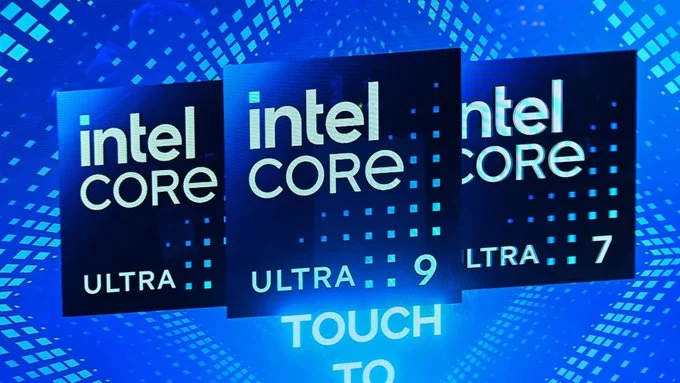
Questions about Intel Nova Lake and AMD Zen 6 are heating up as fresh leaks hint at a dramatic shift in next-generation CPU performance. Early rumors suggest Intel's Nova Lake could lead in instructions per cycle (IPC), while AMD’s Zen 6 may counter with stronger frequency gains. For gamers, creators, and PC builders searching for what comes next, these developments point to a competitive year in processor innovation and performance expectations across desktop and mobile platforms.
Recent leaks circulating online claim that Intel’s Nova Lake architecture could prioritize significant IPC improvements over its previous generation. IPC, or instructions per cycle, is a key measure of how efficiently a processor handles tasks at a given clock speed. If these reports are accurate, Nova Lake may deliver noticeable performance uplifts even without extreme clock increases. This strategy would position Intel to compete strongly in workloads that rely on raw efficiency, such as gaming engines and productivity applications.
On the other side of the rumored battle, AMD’s Zen 6 architecture is said to focus more heavily on frequency scaling. Higher clock speeds can translate into faster performance in certain workloads, especially those optimized for parallel processing and high throughput. While AMD has traditionally balanced IPC and frequency improvements, this rumored direction suggests a more aggressive push toward raw speed. If true, Zen 6 could maintain AMD’s strong position in multi-threaded performance scenarios.
For end users, the Nova Lake versus Zen 6 discussion is more than technical speculation—it directly impacts future upgrade decisions. Gamers may prioritize IPC-driven gains for smoother frame rates and reduced latency, while content creators often benefit from sustained frequency performance in rendering tasks. The potential divergence in design philosophies could lead to clearer segmentation between CPU choices, making it easier for buyers to match processors with their specific workloads and budgets.
The renewed competition between Intel and AMD signals a broader push toward innovation in the CPU market. With both companies refining different performance strategies, consumers could benefit from faster, more efficient processors across the board. However, these are still early-stage rumors, and final silicon may differ significantly from current expectations. Even so, the anticipation alone is driving strong interest in next-generation hardware and shaping early adoption conversations.
As more details emerge, the Nova Lake and Zen 6 rivalry will likely become one of the defining tech stories of the year. Enthusiasts and professionals alike are watching closely as leaks continue to surface, hoping to see which architecture ultimately delivers the best balance of speed, efficiency, and real-world performance.
Early discussions around Nova Lake and Zen 6 have also turned toward potential benchmark performance, even though official data is not yet available. Weak leaks and analyst expectations suggest that both architectures may push overall system performance higher, but in different ways depending on workload type and optimization. This could mean that early adopters will see varied results across gaming, productivity, and AI-assisted computing tasks, with each platform excelling in specific scenarios rather than universally dominating the market. Industry watchers also note that these architectural differences may influence pricing strategies, availability, and long-term upgrade cycles for consumers and enterprise users alike. Weeks ahead of official announcements, excitement continues to build as the CPU race between Intel and AMD intensifies, shaping expectations across the tech community. This evolving competition highlights how next-generation processors are becoming more specialized, efficient, and closely matched in performance potential across diverse computing needs overall industry.










Comment