
Alerts
-
4 minutes, 39 seconds
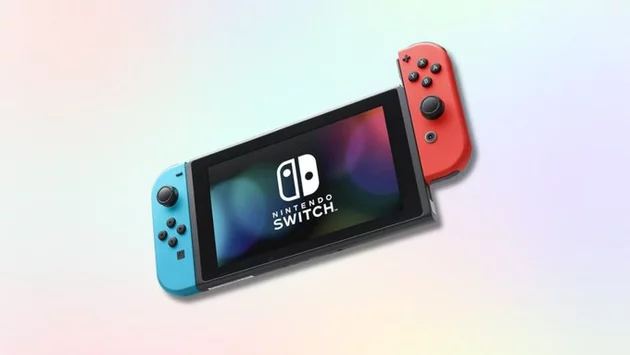
Nintendo Switch has officially rewritten gaming history. By December 31, 2025, the hybrid console sold 155.37 million units, surpassing the Nintendo DS, which held the top spot for nearly a decade with 154.02 million units sold between 2004 and 2011. Fans and industry analysts alike are celebrating this milestone, marking the Switch as a defining success in Nintendo’s lineup.
The achievement also positions the Switch as the second-best-selling console of all time, trailing only Sony’s PlayStation 2, which sold over 160 million units during its production run from 2000 to 2013. This milestone highlights Nintendo’s ability to adapt to evolving gaming trends while keeping core audiences engaged.
Even nearly a decade after its launch, the Nintendo Switch continues to perform strongly. Between April and December 2025, it sold 3.25 million units, proving that the console’s appeal extends far beyond early adopters. Nintendo’s strategy of combining portable and home gaming has been key to maintaining interest, especially with a library of beloved titles and regular updates.
Gamers appreciate the versatility of the Switch, which allows seamless transitions between handheld play and TV mode. Coupled with strong software support, including exclusive titles and popular franchises, the Switch has maintained momentum that few consoles achieve in their ninth year on the market.
Nintendo Switch’s rise to the top wasn’t sudden—it was built over years of strategic moves and fan engagement. By February 2023, the console had already surpassed the Game Boy and PlayStation 4, reaching 122.55 million units sold. Continued support from Nintendo, including the Switch OLED and Lite models, kept the console relevant as competitors released next-generation hardware.
Key releases such as “The Legend of Zelda: Tears of the Kingdom” and “Pokémon Scarlet and Violet” fueled sales, while the Switch’s library of third-party titles ensured it remained a versatile platform for all types of players. Nintendo’s careful balance of innovation and nostalgia played a major role in surpassing its predecessors.
Reaching 155 million units sold is not just a number—it signifies Nintendo’s strong brand loyalty and market influence. This milestone demonstrates that a console can remain competitive even in its later years with smart product management and a strong ecosystem of games.
For the gaming industry, the Switch’s success serves as a blueprint for hybrid console strategies. Its ability to appeal to both casual and hardcore gamers has set a new standard for console longevity, inspiring competitors to rethink how they approach design, portability, and exclusive content.
Nintendo Switch has transformed from an innovative idea into a cultural icon, bridging generations of gamers. Its success proves that consoles don’t need to rely solely on cutting-edge hardware to dominate the market—they need versatility, a strong game library, and fan trust.
As Nintendo looks to the future, including potential next-generation Switch models, this milestone serves as a reminder that thoughtful design and strategic releases can keep a platform relevant for years. The Switch era has cemented Nintendo’s legacy in gaming history and continues to shape expectations for consoles worldwide.










Comment