Alerts

-
3 minutes, 48 seconds
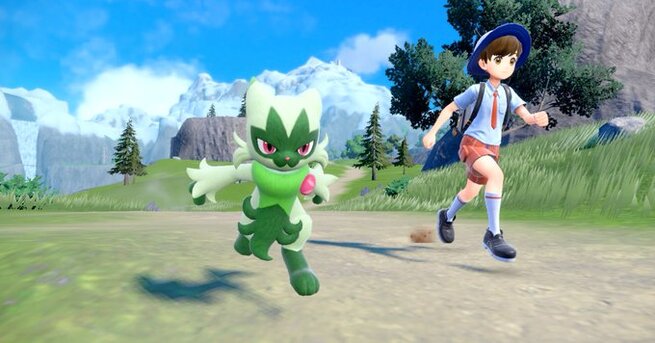
Questions surrounding the Nintendo and Pokémon patent have left many fans confused, especially after headlines suggested it covered “summoning characters and making them battle.” The truth is more specific and far less alarming. The patent does not give Nintendo ownership over a common game mechanic used across multiple franchises. Instead, it covers a unique gameplay system that expands how players interact with Pokémon in the overworld. Understanding this difference clears up misconceptions and helps gamers see what this innovation actually introduces.
The first point to clarify is that the Nintendo and Pokémon patent does not block other developers from creating games where characters fight after being summoned. Rather, it focuses on a structured set of interactions found in recent Pokémon titles. For example, instead of every encounter requiring a traditional turn-based sequence, the patent highlights how a player’s Pokémon can automatically engage with wild creatures depending on where and how they are released. This blends manual and automated gameplay in ways that enhance exploration.
According to the patent details, the process involves summoning a “sub character” that can perform different actions depending on context. If the player throws a Poké Ball directly at an opponent, a regular battle begins. If the Pokémon is summoned near an enemy, it triggers an automatic battle sequence. If no opponent is nearby, the Pokémon simply moves freely. This system ensures smoother transitions between exploration and battling, giving players more dynamic control without breaking immersion.
The Nintendo and Pokémon patent matters because it represents how developers are rethinking classic mechanics to meet evolving player expectations. Instead of repetitive transitions, the auto-battle option introduces flexibility for casual play while keeping traditional turn-based combat intact. However, patents like this also spark debate about whether broad ideas in gaming should be legally protected. Critics argue that overreaching patents could limit creativity, while supporters believe they safeguard innovation.
The Nintendo and Pokémon patent is not a sweeping claim over “summoning and battling” but a narrowly defined mechanic rooted in Pokémon Scarlet and Violet’s auto-battle system. While the legal validity of such patents may still be questioned in the future, it highlights how developers are blending automation with player choice. For gamers, this means new ways to experience the franchise without losing the essence of traditional Pokémon battles.










Comment