
Alerts
-
2 minutes, 0 seconds
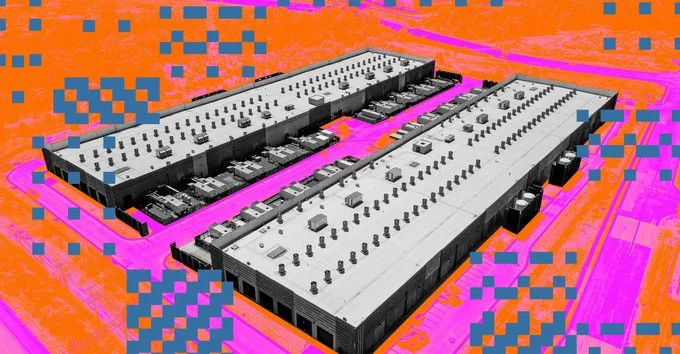
New York has made history by becoming the first U.S. state to pass a data center moratorium. This new law temporarily halts the approval and construction of new data centers in certain areas. The move aims to address growing concerns about energy consumption, environmental impact, and strain on local power grids.
The rapid growth of data centers has raised serious questions. These facilities use massive amounts of electricity and water to keep servers cool. Local communities worry about rising energy costs, pollution, and the burden on infrastructure.
If you're planning to build or expand a data center in New York, you may face delays. The moratorium gives state officials time to study the effects and create new rules. Tech companies, cloud providers, and colocation firms should prepare for stricter regulations.
New York's move could set a trend. Other states facing similar energy challenges may follow suit. The data center industry must adapt by investing in renewable energy, water-efficient cooling, and better grid management.
Tip for companies: Start evaluating your data center strategy now. Consider locations with strong renewable energy incentives and lower environmental risks.
The moratorium will last for a set period, likely one to two years. During this time, New York will conduct studies and hold public hearings. Expect new laws that require data centers to use clean energy, recycle water, or offset carbon emissions.
Staying informed is crucial. Follow updates from the New York State Energy Research and Development Authority (NYSERDA) and local utility boards.
New York's data center moratorium is a landmark decision. It highlights the tension between digital growth and environmental responsibility. For businesses, this is a wake-up call to prioritize sustainability in data operations.










Comment