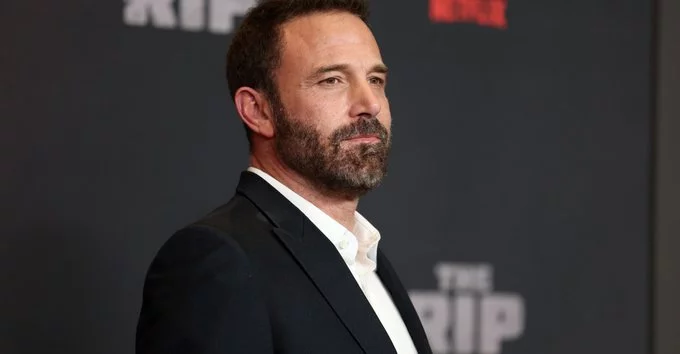
Netflix buys Ben Affleck’s AI startup in a move that could reshape how movies and television shows are created. The streaming giant confirmed it has acquired InterPositive, a company focused on developing artificial intelligence tools for film and TV production. As part of the deal, Ben Affleck will join Netflix as a senior adviser while the entire InterPositive team transitions to the company. The acquisition signals Netflix’s growing commitment to AI-powered filmmaking while still emphasizing human creativity.
Netflix announced the acquisition of InterPositive, a startup founded by actor and filmmaker Ben Affleck in 2022. The company specializes in artificial intelligence tools designed to streamline workflows in film and television production. These tools aim to improve how production teams capture, organize, and interpret information during filming.
All 16 engineers and researchers currently working at InterPositive will become part of Netflix’s technology and innovation teams. The integration allows Netflix to rapidly deploy the startup’s tools across its global production pipeline.
This move reflects a broader industry shift toward adopting AI technologies in entertainment. Studios are increasingly looking for ways to speed up production timelines, manage complex data from film sets, and maintain consistency across projects. Netflix appears determined to lead this technological transformation rather than follow it.
Alongside the acquisition, Ben Affleck will take on a new role as a senior adviser for Netflix. In this position, he is expected to guide how AI technologies can support filmmakers without replacing the human creativity that defines storytelling.
Affleck’s involvement gives Netflix access to both creative and technical insight. As a longtime actor, director, and producer, he understands the challenges production teams face on set. That experience played a key role in shaping InterPositive’s tools.
His advisory role suggests Netflix wants filmmakers actively involved in developing new production technologies. Instead of building tools purely from a technical perspective, the company appears focused on designing solutions that match real-world filmmaking workflows.
Ben Affleck launched InterPositive after noticing early AI tools entering the production space. According to him, many of these tools were not designed with filmmakers in mind.
He explained that the existing technology often failed to reflect the language and processes used by directors, cinematographers, and production crews. As a result, they could be difficult to integrate into daily workflows on a set.
InterPositive was created to solve that gap. The company aimed to build systems that capture what happens during production while using terminology familiar to filmmaking professionals.
Affleck believed that improving AI tools was essential not just for efficiency but also for protecting the people working in the industry. His goal was to ensure that artificial intelligence supports creative professionals rather than replacing them.
InterPositive’s technology focuses on capturing and organizing production data in ways that mirror how filmmakers actually work. This includes tools designed to understand camera setups, scene details, and creative decisions made during filming.
By aligning AI systems with the vocabulary used on set, the platform makes it easier for teams to review and analyze footage. Directors and cinematographers can quickly locate specific shots, production notes, or technical details without digging through large amounts of raw data.
Consistency is another key benefit. Film productions involve hundreds of moving parts, from lighting setups to camera movements. AI tools that track and organize these elements help ensure continuity across scenes and shooting days.
For large productions—especially those spanning multiple locations or teams—this type of technology can significantly improve coordination and efficiency.
Netflix has long relied on technology to scale its global streaming platform. From recommendation algorithms to advanced video encoding systems, the company continuously invests in tools that improve both viewer experience and production efficiency.
AI-driven production tools represent the next step in that evolution. As Netflix produces content in dozens of countries, managing large-scale film and television projects becomes increasingly complex.
Artificial intelligence can help streamline tasks such as production planning, asset management, editing preparation, and visual analysis. These improvements reduce bottlenecks and allow creative teams to focus more on storytelling.
At the same time, Netflix has emphasized responsible implementation of AI. The company’s leadership has repeatedly stated that technology should enhance creative work rather than replace human artists.
The acquisition of InterPositive highlights a growing trend where technology companies collaborate directly with filmmakers to build industry-specific AI tools.
Instead of generic software solutions, studios are investing in systems designed specifically for entertainment production. These tools can better understand the complexities of storytelling, cinematography, and visual design.
For filmmakers, this could mean more efficient production pipelines and better access to organized creative data. For studios like Netflix, it creates opportunities to produce content faster while maintaining high production quality.
Ben Affleck’s involvement also sends a message to the industry. Creative professionals can play an active role in shaping how AI is integrated into filmmaking.
Netflix’s purchase of InterPositive represents more than just another tech acquisition. It marks the beginning of a partnership between creative expertise and advanced artificial intelligence.
By bringing Ben Affleck and his team into the company, Netflix is positioning itself at the forefront of AI-driven production innovation. At the same time, the studio appears committed to preserving the human artistry that defines great storytelling.
As streaming competition intensifies and production demands grow, tools like those developed by InterPositive could become a crucial part of modern filmmaking. If successful, this collaboration may influence how films and television shows are created for years to come.






Comment