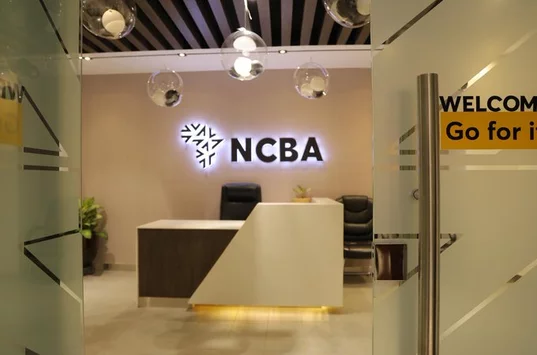
Nedbank NCBA deal has officially cleared a critical regulatory hurdle after Kenya’s Capital Markets Authority granted approval for the South African lender to proceed without making a full buyout offer. Many investors are asking: What does this mean for NCBA shareholders? Will Nedbank now control the bank outright? And how could this reshape Kenya’s banking sector? With regulatory uncertainty easing and shareholder support climbing above 77%, the transaction now moves into a more decisive phase.
The biggest development is the green light from the Capital Markets Authority (CMA). The regulator granted Nedbank an exemption from the mandatory requirement to make a 100% takeover offer under Kenya’s takeover rules.
That exemption is more than procedural paperwork. Under Kenya’s Capital Markets (Takeovers and Mergers) Regulations, crossing specific ownership thresholds typically forces an acquiring company to extend an offer to all remaining shareholders. Without CMA approval, Nedbank would have been compelled to attempt a full acquisition of NCBA.
By granting the exemption, the CMA preserved the original structure of the transaction. Nedbank can now proceed with its proposed acquisition of approximately 66% of NCBA Group without triggering a significantly larger capital commitment.
At first glance, 66% might not sound absolute. But in corporate governance, it is a powerful majority. Crossing that line gives the acquirer decisive influence over strategic direction, board composition, and long-term policy.
For Nedbank, the goal was always clear: secure controlling interest without the financial exposure and pricing risks that come with buying 100% of issued shares. A full buyout would have required significantly more capital, introduced valuation complexities, and potentially triggered shareholder resistance.
Now, with regulatory approval secured, the structure remains intact. That stability reduces market uncertainty and allows both institutions to focus on execution rather than renegotiation.
Another key shift in the Nedbank NCBA deal is growing shareholder backing. Nedbank has confirmed irrevocable undertakings from NCBA shareholders representing approximately 77.54% of the bank’s issued share capital.
That figure is up from 71.2% disclosed in January. The increase is not symbolic—it signals growing confidence among major investors that the deal will proceed.
Irrevocable undertakings mean those shareholders have committed to support the transaction. This significantly lowers execution risk and reduces the likelihood of late-stage surprises. For markets, that kind of certainty often translates into greater price stability and strategic clarity.
Even with regulatory clearance, the deal remains politically delicate. NCBA is one of Kenya’s most influential financial institutions, with deep ties to retail banking, corporate lending, and regional expansion across East Africa.
A foreign-controlled majority stake inevitably raises questions about economic sovereignty, credit allocation priorities, and long-term leadership. Kenya’s financial sector has historically balanced local ownership with international investment. This transaction tests that balance.
However, supporters argue that cross-border partnerships strengthen capital buffers, expand regional integration, and enhance technological capability. Nedbank’s broader footprint could give NCBA additional access to capital markets and operational expertise.
Kenya’s banking industry has undergone consolidation over the past decade. Larger institutions have absorbed smaller rivals, creating fewer but stronger players. If completed, the Nedbank NCBA deal would mark one of the most consequential cross-border control shifts in recent memory.
The deal could accelerate competition in digital banking, SME financing, and regional corporate lending. NCBA has already established itself as a strong retail and digital player. With majority backing from Nedbank, expansion strategies may move faster and with greater financial muscle.
Competitors will be watching closely. Strategic alliances, capital raises, and potential defensive mergers could follow as the sector recalibrates.
While CMA approval removes a major obstacle, the transaction still requires final procedural steps and compliance with additional regulatory conditions. Shareholder alignment already appears strong, but completion will depend on closing mechanics and settlement timelines.
The original proposal included a deadline for securing the exemption. That milestone has now been met. Without it, Nedbank reserved the option to convert the proposal into a full 100% offer—a much larger and more complex undertaking.
That scenario is now off the table, at least for the moment. The architecture of the deal remains intact, preserving the strategic blueprint laid out earlier this year.
For investors, clarity often matters more than speculation. The CMA decision narrows uncertainty and signals regulatory confidence in the transaction’s structure.
Markets typically reward reduced execution risk. With more than 77% shareholder backing secured and regulatory approval granted, the probability of completion has materially increased.
Still, long-term valuation will hinge on integration performance. Investors will look for evidence of operational synergy, governance stability, and earnings growth once Nedbank assumes majority control.
Beyond numbers and percentages, this deal represents a shift in influence within East Africa’s financial ecosystem. Control determines strategic direction, and strategic direction shapes credit access, technology investment, and market competition.
The Nedbank NCBA deal is no longer just about compliance or regulatory thresholds. It has become a conversation about stewardship, regional integration, and the future identity of one of Kenya’s flagship banks.
With regulatory clearance secured and shareholder support deepening, the next chapter will focus on execution. For now, one thing is clear: control is moving closer to consolidation—and Kenya’s banking landscape may never look quite the same again.
Nedbank NCBA Deal Clears Key Hurdle—Who Contr... 0 0 0 0 2
2 photos





Array