Alerts

-
8 minutes, 57 seconds
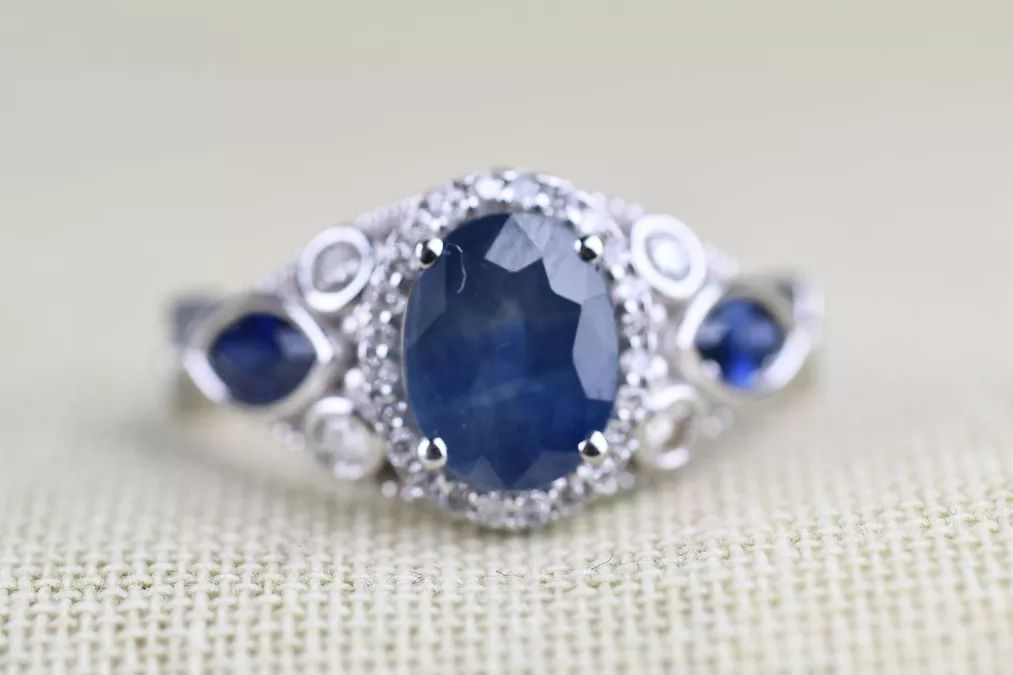
A natural blue sapphire engagement ring offers a distinctive alternative to the traditional diamond ring while maintaining the elegance and significance expected from an engagement piece. Known for its rich blue color, durability, and timeless appeal, sapphire has been used in fine jewelry for generations. Whether you prefer a classic oval stone, a vintage-inspired halo design, or a modern minimalist setting, a natural blue sapphire can give your engagement ring a personal and sophisticated character.
Sapphire is also a practical choice for an engagement ring because it is a durable gemstone. Sapphire ranks 9 on the Mohs hardness scale, making it resistant to everyday scratching and suitable for jewelry that is worn regularly.
A natural blue sapphire is a sapphire that formed through natural geological processes rather than being grown in a laboratory. Blue sapphire belongs to the corundum mineral family, the same mineral family as ruby. While ruby is the red variety of corundum, other colors are classified as sapphire.
Natural sapphires can vary considerably in color, clarity, size, and appearance. This natural variation means that every gemstone can have its own visual character. For buyers looking for an engagement ring with individuality, a natural sapphire can be an appealing choice.
It is important to distinguish a natural sapphire from a laboratory-grown sapphire or an imitation. Lab-grown sapphires can have essentially the same chemical, physical, and optical properties as natural sapphires, but they are created in controlled laboratory conditions. If natural origin is important to you, ask for documentation that identifies the gemstone as natural.
The blue color is one of the main reasons people choose sapphire engagement rings. Blue sapphires can range from lighter blue shades to deeper, more saturated tones. GIA notes that the most valued blue sapphires generally have strong to vivid saturation and medium to medium-dark tones, although personal preference remains an important part of selecting a gemstone.
A lighter blue sapphire can create a delicate and romantic appearance, while a deeper blue can provide a dramatic and luxurious look. The right shade ultimately depends on the wearer's style and the ring design.
An engagement ring is designed for regular wear, so gemstone durability matters. Sapphire has a Mohs hardness of 9, making it one of the harder gemstones used in jewelry. This resistance to scratching makes sapphire particularly suitable for engagement rings.
Although sapphire is durable, it still requires appropriate care. Strong impacts, unsuitable cleaning methods, or exposure to certain chemicals can affect jewelry, so regular maintenance is recommended.
A blue sapphire engagement ring can provide a different visual identity from a conventional diamond ring. The gemstone's blue color immediately creates contrast against metals such as white gold, yellow gold, rose gold, or platinum.
For couples who want an engagement ring that feels traditional but not ordinary, a sapphire center stone can offer a balance between classic jewelry design and individual style.
Choosing the right sapphire involves looking beyond size. Color, clarity, cut, carat weight, and treatment all deserve consideration.
Color is one of the most important quality factors for blue sapphire. Look for a stone with attractive saturation and a tone that remains bright rather than appearing overly dark. GIA explains that overly dark color can reduce the gemstone's brightness and visual appeal.
When comparing stones, view them under different lighting conditions if possible. A sapphire's appearance can change depending on the light source.
Natural blue sapphires commonly contain inclusions. Unlike diamonds, a sapphire does not necessarily need to be completely free of inclusions to be attractive.
Some inclusions are expected in natural gemstones, but significant fractures or inclusions that threaten durability should receive careful attention. Very high-clarity blue sapphires are uncommon and can be particularly valuable.
Instead of focusing only on microscopic perfection, consider how the gemstone looks to the naked eye and whether its inclusions affect its beauty or structural integrity.
A well-cut sapphire can make a major difference in the appearance of an engagement ring. Cut affects how the gemstone reflects light, displays color, and interacts with the surrounding setting.
GIA explains that sapphire cutters consider factors such as color zoning, pleochroism, proportions, and the distribution of color when determining how to cut a gemstone.
Popular shapes include:
Oval and cushion sapphires are particularly appealing for classic and vintage-inspired engagement rings, while round and emerald shapes can create a more refined contemporary appearance.
Carat weight refers to the gemstone's weight, not simply its visible size. Two sapphires with the same carat weight can appear different depending on their dimensions and cut.
Rather than choosing a gemstone based entirely on carat weight, consider how the stone's proportions look on the finger. GIA notes that blue sapphires are available in a broad range of sizes, although fine-quality larger stones are relatively rare.
One of the most important questions to ask when buying a natural blue sapphire engagement ring is whether the stone has been treated.
Heat treatment is an accepted practice in the sapphire industry and is used to improve color and appearance. However, untreated or unheated sapphires can be rarer, particularly when they possess strong color and good clarity. GIA recommends asking about treatments and obtaining a laboratory report when additional confirmation is needed.
A natural sapphire can therefore be either untreated or treated while remaining natural in origin. These are different characteristics. "Natural" refers to how the gemstone formed, while "heated" or "unheated" describes treatment history.
If you specifically want an unheated natural sapphire, make sure the seller clearly discloses treatment information and provides appropriate documentation.
The setting can dramatically change the personality of a sapphire engagement ring.
A solitaire places the focus entirely on the center sapphire. This is an excellent option if you want the gemstone's color and shape to remain the main attraction.
A halo surrounds the sapphire with smaller diamonds or gemstones. The contrast between blue sapphire and bright accent stones can make the center gemstone appear larger while adding additional sparkle.
A three-stone ring places the sapphire between two complementary gemstones. This design can create a meaningful representation of a relationship's past, present, and future while giving the ring a balanced appearance.
Milgrain details, intricate metalwork, engraved patterns, and surrounding diamonds can give a natural blue sapphire engagement ring an antique-inspired appearance.
For a contemporary aesthetic, a simple band with a clean setting allows the blue sapphire to become the focal point without excessive decoration.
The metal you choose can influence how the sapphire's color appears.
White gold and platinum: These metals create a clean contrast that allows blue sapphire to stand out prominently.
Yellow gold: Yellow gold creates a warmer, traditional appearance and can make the blue gemstone look particularly rich.
Rose gold: The soft pink tone of rose gold creates a romantic contrast with blue sapphire and works well for contemporary designs.
There is no single metal that is universally right. Consider the wearer's existing jewelry, skin tone preferences, lifestyle, and desired style when selecting the setting.
An engagement ring should reflect the person wearing it. Beyond the gemstone itself, you can personalize the design through the setting, accent stones, metal, engraving, and overall silhouette.
For example, a classic oval sapphire with diamond accents can create an elegant appearance, while an emerald-cut sapphire in a simple gold setting may feel more understated and contemporary.
Brilani offers an opportunity to explore fine jewelry styles while considering the details that make an engagement ring feel personal and meaningful.
Although sapphire is highly durable, proper care helps preserve its appearance.
Clean your ring regularly using warm water, mild soap, and a soft brush. GIA identifies warm soapy water as a safe cleaning method for sapphire jewelry.
It is also helpful to:
Regular care can help maintain both the gemstone and its setting for years to come.
A natural blue sapphire engagement ring can be an excellent option for someone who wants a durable, colorful, and distinctive engagement ring. Its blue appearance offers a strong alternative to traditional colorless gemstones, while sapphire's hardness makes it practical for everyday wear.
When shopping, focus on the factors that genuinely affect the gemstone: natural origin, color, clarity, cut, carat weight, and treatment history. Certification or an independent laboratory report can also be valuable when you want additional information about a higher-value stone.
Most importantly, choose a sapphire that looks beautiful to you. The ideal engagement ring is not simply about specifications or trends. It should complement the wearer's style and remain meaningful long after the proposal.
Yes. Sapphire has a Mohs hardness of 9 and is considered durable enough for everyday jewelry, making it a practical gemstone for engagement rings.
Many highly valued blue sapphires have strong to vivid saturation with medium to medium-dark blue tones. However, the preferred color is ultimately a matter of personal taste.
No. Natural sapphires can be treated, including through heat treatment. Natural origin and treatment status are separate characteristics, so buyers should ask for clear disclosure.
No. Diamond ranks higher on the Mohs hardness scale. Sapphire has a hardness of 9, which still makes it one of the more durable gemstones used in engagement rings.
Yes, sapphire's durability makes it suitable for everyday wear. However, like any fine jewelry, the ring should be protected from significant impacts and cared for properly.
Pay attention to the gemstone's color, clarity, cut, carat weight, natural origin, and treatment history. For valuable stones, consider obtaining an independent laboratory report that documents relevant characteristics.





Comment