
NASA Moon Landing Delayed: What You Need to Know
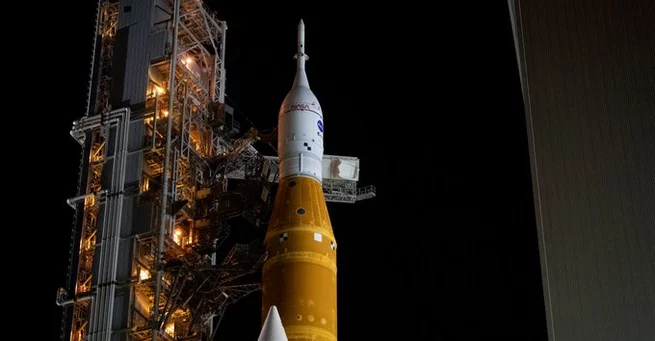
NASA has officially pushed back its next Moon landing, confirming astronauts will now land in 2028 instead of 2027. The agency announced that Artemis III will no longer attempt a lunar landing and will instead serve as a test mission. A successful human Moon landing is now expected during Artemis IV, marking a significant shift in the timeline for returning humans to the lunar surface.
This decision reflects safety concerns, technical challenges, and a broader strategy to increase mission reliability. For space enthusiasts and industry watchers, the delay signals a major recalibration of humanity’s next giant leap.
Why NASA Delayed the Artemis Moon Landing
The revised timeline stems largely from safety concerns raised by internal advisors. A recent review by NASA’s Aerospace Safety Advisory Panel highlighted multiple risks tied to combining too many “first-of-their-kind” objectives into a single mission. Artemis III originally aimed to test new technologies and land astronauts simultaneously — a high-stakes combination.
Instead of rushing toward a risky milestone, NASA is prioritizing mission success and astronaut safety. By splitting goals across multiple missions, the agency hopes to reduce technical pressure and improve long-term sustainability. The decision reflects lessons learned from past space programs, where aggressive timelines often led to costly setbacks.
This approach may frustrate those eager for a faster return to the Moon, but it reinforces a more cautious and strategic philosophy.
Artemis III Becomes a Test Mission
Under the new plan, Artemis III will transform into a test-focused mission rather than a historic landing. Scheduled for 2027, the mission will now validate critical systems required for future lunar operations. That includes spacecraft integration, mission operations, and deep-space reliability.
Turning Artemis III into a testing phase gives NASA room to refine technologies before committing to a landing attempt. This shift could significantly increase the chances of success when astronauts finally step onto the lunar surface again. The move also aligns with modern aerospace trends, where iterative testing is favored over high-risk single milestones.
Ultimately, Artemis III becomes less about headlines and more about building confidence in complex systems.
Artemis IV Now Targets the 2028 Moon Landing
With the schedule overhaul, Artemis IV is set to carry the historic responsibility of landing humans on the Moon. Planned for 2028, the mission could mark the first crewed lunar landing since Apollo 17 in 1972. If successful, it would redefine a new era of exploration and international collaboration.
NASA also revealed plans to increase mission frequency after the landing. The agency aims to conduct regular lunar surface missions, potentially achieving annual Moon landings. This long-term cadence signals a shift from symbolic exploration to sustained presence.
A consistent lunar program could unlock new opportunities in science, infrastructure, and even future Mars missions.
Artemis II Challenges Signal Broader Complexities
The delay also reflects ongoing challenges with earlier Artemis missions. Artemis II, intended to orbit the Moon with astronauts, has already faced technical hurdles during testing. Launch timelines have slipped, with the mission now targeting a launch no earlier than April.
If Artemis II succeeds, it will mark the first time humans travel to lunar orbit since the Apollo era. That milestone alone would be historic, but it also underscores the complexity of modern spaceflight. Unlike past missions, today’s programs integrate cutting-edge technology, commercial partnerships, and long-duration planning.
These layers add innovation but also increase the risk of delays.
A New Strategy: More Missions, Less Risk
NASA isn’t just delaying a landing — it’s reshaping how lunar exploration works. The agency plans to increase mission cadence, including additional test flights before the first landing attempt. This incremental approach spreads risk across multiple launches rather than concentrating it into one.
The strategy mirrors modern aerospace practices used by private space companies. Iteration, testing, and redundancy are now essential pillars of mission planning. By adopting this model, NASA aims to build a more resilient and sustainable lunar exploration program.
While slower in the short term, this strategy could accelerate long-term progress.
What This Means for the Future of Lunar Exploration
The revised timeline reshapes expectations for humanity’s return to the Moon. A 2028 landing may feel distant, but it could ultimately produce a safer and more durable program. Instead of a one-off achievement, NASA is laying the groundwork for sustained lunar operations.
This shift also impacts global space competition. Other nations and private companies are advancing their own lunar ambitions, raising the stakes for successful execution. A reliable Artemis program will be crucial for maintaining leadership in deep-space exploration.
For scientists and engineers, the delay provides valuable time to refine technologies that could define the next decades of space travel.
The Bigger Picture Behind the Delay
Space exploration has always been defined by ambition balanced with caution. The Artemis delays highlight the tension between pushing boundaries and ensuring safety. NASA’s updated roadmap suggests the agency is choosing resilience over speed.
If the new plan succeeds, the payoff could be enormous. A sustainable lunar presence would unlock new science, economic opportunities, and pathways to Mars. While the timeline shift may feel disappointing, it could ultimately lead to a stronger and more impactful return to the Moon.
One thing remains clear: humanity is still headed back to the lunar surface — just on a more careful and calculated schedule.















Comment