
Trending
Trending Hashtags
Alerts
-
3 minutes, 22 seconds
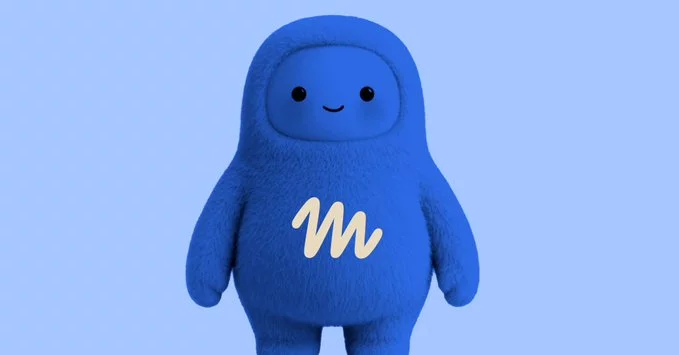
Before it became an AI avatar, Muse began life as a chatbot. The original product was built around text-based conversation, letting users type messages and receive replies in a familiar chat interface. It was a modest starting point, but it established the foundation that later developments would build upon.
The chatbot format was a natural first step. Conversational AI had already become a common way for people to interact with language models, and Muse followed that same path. Users could ask questions, exchange ideas, and carry on a dialogue, all through typed messages rather than speech or video.
That early version of Muse was limited in scope, but it proved the core concept worked. The chatbot demonstrated that people were willing to engage with an AI conversation partner over time. It also gave the team behind Muse a clearer sense of what users wanted from the experience.
What the chatbot could not do was show a face. Everything happened in text, with no visual presence and no voice. That gap would shape the next stage of Muse's evolution.
The next phase of Muse's development moves well beyond text. Rather than existing only as a chatbot that responds in a conversation window, Muse is set to become an AI avatar — a visible, embodied presence rather than an invisible assistant.
This is a meaningful shift in how users will encounter the product. A chatbot is something you type to; an avatar is something you interact with. The change hints at a future where Muse is not confined to a chat box but can appear as a persistent character with its own identity.
It also signals where the team behind Muse sees the technology heading. Text-based conversation was the starting point, but it was never the destination. By turning Muse into an avatar, the project takes its first step toward a form of interaction that feels more natural and more human.
What that avatar will ultimately look like, and how it will behave, remains to be seen — but the direction is clear.
Text chat is only one way to interact with an AI companion. Muse is designed to go further, letting you talk with the avatar over video. Instead of typing messages and waiting for written replies, you can speak directly with a character that appears on screen.
That shift matters because conversation is about more than words. Talking over video brings together your voice and the avatar's presence in a single exchange, making the interaction feel closer to a real conversation than a stream of text ever could.
The video format also changes how you experience the character. Rather than reading responses, you watch and listen as the avatar engages with you in the moment. The back-and-forth becomes something you participate in rather than something you read.
For anyone who has used Muse as a chatbot, this is a meaningful change. The same companion you once messaged can now appear before you and hold a spoken conversation, turning a text-based exchange into a face-to-face one.
Muse's evolution from a chatbot to an AI avatar reflects a broader change in how people expect to interact with AI. Text-based chat, once the default, is giving way to something more human: a face, a voice, and a shared screen. Muse's next step as an AI avatar is not just a cosmetic upgrade — it signals a move toward video-based conversation as the new interface.
This shift matters for several reasons:
The chatbot era proved that people will converse with machines. The avatar era asks whether they will meet them. For Muse, that question is now the product roadmap.









Comment