Alerts

-
3 minutes, 36 seconds
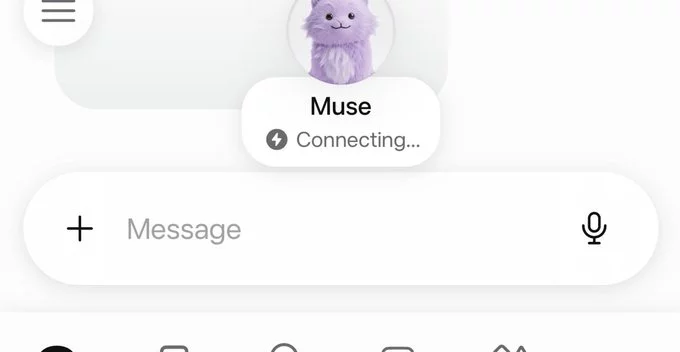
What surprised me most wasn't that Muse knew things about me — it was how specific those things were. The suggestions weren't generic. They mapped onto interests I'd never explicitly told the app about, but which were plainly visible across my Instagram account.
Muse rattled off a list of very particular interests, each one traceable to something I'd posted, liked, or followed. Among them:
None of this felt like guesswork. It felt like a mirror held up to my posting history. And that's the point: Muse isn't reading my mind. It's reading my Instagram data — the same trail of posts, likes, and follows that accumulates quietly over years of scrolling.
Seeing it laid out so plainly was unsettling in a way I hadn't expected. The information was accurate. It was also information I had handed over freely, one tap at a time, without ever thinking of it as a portrait of who I am.
It wasn't a dramatic reveal. No notification announced that Muse had been studying me. Instead, the realisation arrived quietly, in the middle of an ordinary scroll, when the app surfaced a recommendation that felt less like a guess and more like a memory.
Muse had been paying attention. It knew which accounts I lingered on, which posts I saved rather than liked, which topics I returned to without ever searching for them. The interests it reflected back at me weren't the ones I'd have listed if asked. They were the ones my behaviour had confessed.
That was the strange part. I hadn't told Muse anything. I had simply used Instagram the way I always do — pausing, tapping, skipping — and somewhere in that ordinary activity, a portrait of me had taken shape.
Seeing it was unsettling and flattering at once. The app understood my curiosities better than some people I know. And it had done so without a single question, without a single form, without me ever noticing the moment it began.
The link between my Instagram account and Muse's knowledge is not a mystery once you understand what the platform actually collects. Meta builds detailed profiles from Instagram activity, including interests and behavioural signals, and that data feeds the systems behind its AI products. Muse, Meta's AI assistant, draws on this same well of information.
That is why the assistant could surface things I had never told it directly. It was not reading my mind; it was reading my data. My Instagram history, my interactions, and the patterns Meta had already recorded were all available to the model.
The important point is that this is not a bug or a leak. It is the design. Meta's AI products and its social platforms share the same underlying data infrastructure, so anything you post, like, or linger on can become context for the assistant.
Understanding this link is the first step toward deciding what you are comfortable sharing.
The uncomfortable truth is that Instagram-linked interests are not the same as data you knowingly handed over. Meta's advertising platform builds interest profiles from your behaviour across its apps, then makes those interests available to businesses for targeting. Muse did not need your browsing history or your search queries; it only needed the interest categories Meta had already assigned to you.
That matters because the disclosure is indirect. You may never have told Muse anything about your hobbies, your relationships, or the topics you follow privately. Yet an ad platform inferred them and passed them along in aggregate form.
Once an AI assistant can see those interests, it can act on them: recommending content, shaping responses, or surfacing suggestions that feel uncannily personal. The practical risk is not a single leak but the quiet normalisation of a system where your social media behaviour follows you into tools you think of as separate. If you want to limit that, review your Instagram ad preferences and check what data each connected app is permitted to use.










Comment