
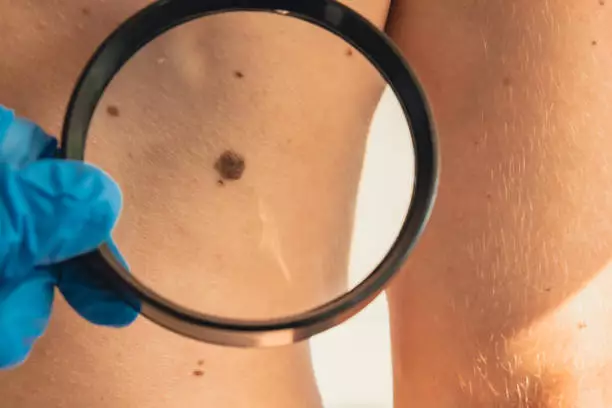
When it comes to mole removal, there is no one-size-fits-all approach. For those considering Mole Removal in Riyadh, understanding the range of surgical and non-surgical options available can help you make an informed decision about your care. Mole Removal in Riyadh The choice of method depends on the mole's type, size, depth, and whether it shows signs of concern.
Surgical Approaches
Shave Excision: A Quick Solution for Raised Moles
Shave excision is one of the most common techniques for removing raised, non-cancerous moles. The procedure involves numbing the area with a local anesthetic and using a fine blade to shave the mole flush with the surrounding skin. This method is quick, typically does not require stitches, and heals with a flat, often barely visible scar. It is an excellent choice for moles that catch on clothing or are a cosmetic concern, though there is a small chance of regrowth if the base is not fully removed.
Surgical Excision: The Gold Standard for Complete Removal
Surgical excision is the preferred method for removing larger, deeper, or suspicious moles. The procedure involves cutting out the entire mole along with a small margin of surrounding healthy skin and closing the wound with fine sutures. This method ensures complete removal and provides a full-thickness tissue sample for histopathological examination—the only way to definitively confirm whether a mole is benign or malignant. While it leaves a small linear scar, a skilled surgeon will place the incision in a natural skin crease to minimize its visibility.
Punch Excision: A Specific Technique for Small, Flat Moles
Punch excision is another effective surgical option, particularly useful for small, flat moles that require full-thickness evaluation. Using a circular blade, the mole is removed in its entirety, and the wound is closed with one or two sutures, resulting in minimal scarring.
Electrocautery: Using Heat to Remove Moles
Electrocautery uses a heated probe to burn off the mole. It is often used for small, benign moles. While it is a quick procedure, it may leave a small scar. It is less commonly used for cosmetic purposes due to the potential for scarring.
Non-Surgical Approaches
Laser Removal: Precision for Flat, Benign Moles
Laser removal uses focused light energy to break down pigment in flat, benign moles. This non-invasive method does not involve cutting or stitches and typically leaves little to no mark on the skin when performed correctly. It is particularly effective for pigmented and superficial moles. However, because laser treatment destroys the tissue, it cannot be biopsied, making it suitable only for moles that have been thoroughly evaluated and confirmed harmless.
Cryotherapy: Freezing Off Superficial Moles
Cryotherapy uses liquid nitrogen to freeze and destroy small, superficial moles. This method is quick and effective for certain benign growths but is generally not recommended for thicker or raised moles, as it may not remove the entire lesion. As with laser, the tissue is destroyed, preventing a biopsy.
Choosing the Right Approach for You
Factors to Consider
The choice of technique depends on several factors, including the mole's type, size, depth, and location, whether the mole shows signs of concern, your skin type and healing tendencies, your cosmetic goals, and the need for biopsy testing.
The Role of Professional Evaluation
A consultation with a qualified dermatologist is essential to determine the most appropriate approach for your individual case. Your dermatologist will evaluate the mole, discuss your goals, and recommend the method that best balances safety, effectiveness, and cosmetic outcome.
Summary of Key Differences
| Technique | Best For | Scarring | Recovery | Biopsy |
|---|---|---|---|---|
| Shave Excision | Raised, benign moles | Minimal | 1-2 weeks | Often, but not always |
| Surgical Excision | Suspicious, deep moles | Small linear scar | 1-2 weeks | Yes (full thickness) |
| Laser Removal | Flat, benign moles | Minimal to none | 3-7 days | No (tissue destroyed) |
| Cryotherapy | Small, superficial moles | Minimal | 1-2 weeks | No (tissue destroyed) |
| Punch Excision | Small, flat moles | Minimal | 1-2 weeks | Yes (full thickness) |
For those seeking expert guidance and customized aesthetic care, you can book an appointment consultation at the Enfield Royal Clinic.
Frequently Asked Questions
What is the best method for removing a mole?
The best method depends on the mole's type, size, depth, and location. Your dermatologist will recommend the most appropriate technique based on your individual case.
Is laser mole removal safe?
Laser removal is safe for flat, benign moles that have been confirmed harmless. However, it is not suitable for suspicious moles because it destroys the tissue needed for biopsy.
Which method leaves the least scarring?
Laser removal and shave excision often leave minimal scarring, while surgical excision leaves a small linear scar that fades over time.
Can a mole be removed and tested in the same procedure?
Yes, surgical excision and punch excision allow for complete removal and provide a tissue sample for biopsy.
How do I know which technique is right for me?
A consultation with a qualified dermatologist is the best way to determine the most appropriate technique based on the mole's characteristics and your goals.





Comment