Alerts

-
1 minute, 47 seconds
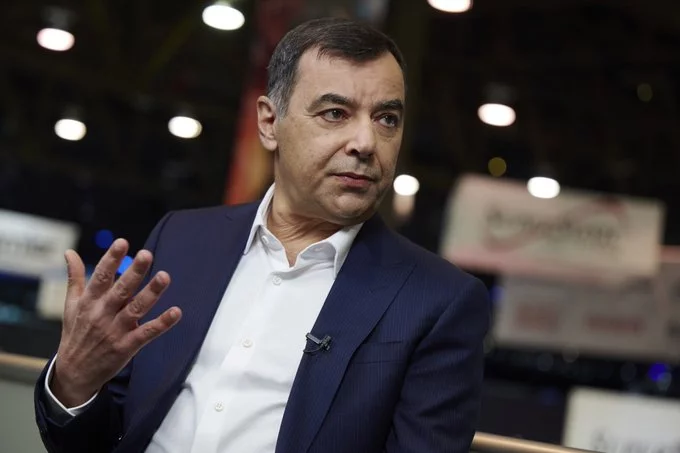
After nearly 30 years at the helm, Mobileye CEO Amnon Shashua plans to step aside as the company pushes into robotaxis and robotics. Shashua will remain CEO until a replacement is found, according to a regulatory filing. This leadership change comes at a pivotal time for Mobileye, which is shifting from being a chip supplier to a provider of full autonomous driving systems and even its own robotaxi service.
Shashua founded Mobileye based on his research at Hebrew University. The company grew into a top supplier of computer vision chips for automotive safety and driver-assistance features. It had the largest IPO in Israel's history, was bought by Intel for $15.3 billion in 2017, and then spun back out as a public company in 2022. Intel remains the largest shareholder.
Under Shashua, Mobileye moved beyond selling chips to automakers. It now builds complete systems for autonomous driving, which it supplies to Volkswagen and its MOIA subsidiary. In January 2025, Mobileye acquired Shashua's own humanoid robotics startup, Mentee Robotics, for $900 million. Shashua called this 'Mobileye 3.0' — a new phase focused on robotics and automotive AI.
Shashua's departure marks the end of an era. The company is now searching for a new CEO who can lead Mobileye through its transition into robotaxis and robotics. The autonomous driving market is crowded, with competitors like Waymo, Tesla, and Cruise. Mobileye's advantage lies in its existing relationships with automakers and its proven chip technology.
For investors and industry watchers, this leadership change is a key moment. The new CEO will have big shoes to fill, but Mobileye's strong foundation and clear strategic direction — robotaxis, humanoid robots, and autonomous driving systems — provide a solid path forward.








Comment