Alerts

-
2 minutes, 8 seconds
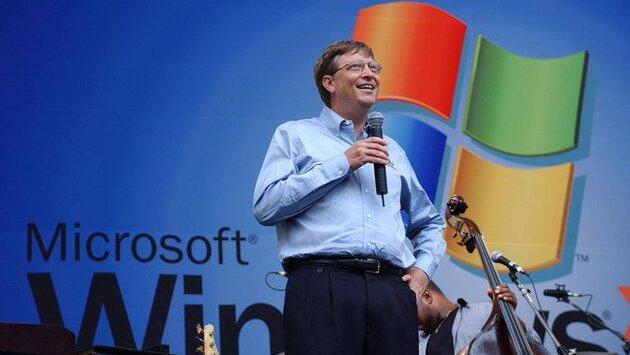
Microsoft could have dominated the tablet market long before Apple, but timing, tech, and market readiness weren’t on its side. In 2000, Bill Gates unveiled a tablet prototype at Comdex, running a special Windows version and including a stylus. Despite its innovation, the world wasn’t ready for a tablet that felt more like a PC than a sleek, consumer-friendly device.
The Microsoft tablet faced multiple hurdles. Its bulky design, high cost, and reliance on software built for desktops made it clunky for everyday use. Unlike Apple’s later iPad, which focused on intuitive touch controls and apps, Gates’ tablet catered more to professionals and tech enthusiasts, limiting its mass appeal.
Technically, yes. Microsoft had the concept, resources, and vision. However, the tablet ecosystem wasn’t mature: app stores, wireless networks, and battery efficiency were still catching up. Apple’s timing in 2010, combined with its user-friendly interface, marketing genius, and developer support, ensured the iPad became iconic, while Microsoft’s early attempt faded into tech history.
Microsoft’s tablet story shows innovation alone isn’t enough. Market timing, design, usability, and ecosystem are crucial. For tech companies, it’s a reminder that being first doesn’t guarantee success—it’s about being first with the right formula for consumers.













Comment