Alerts

-
3 minutes, 21 seconds
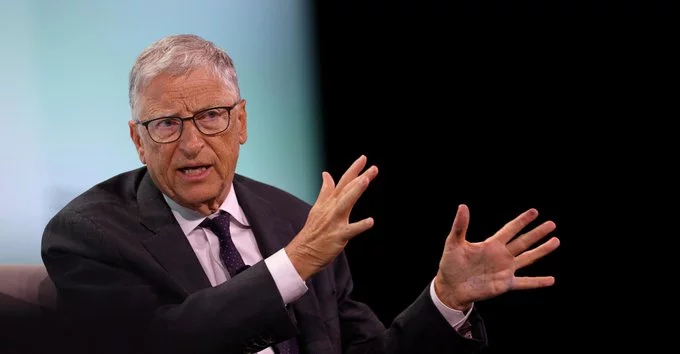
For years, Bill Gates was among the most vocal optimists about artificial intelligence, frequently comparing its potential to that of the internet or the personal computer. In blog posts and interviews, he championed AI’s ability to revolutionize education, healthcare, and climate science, arguing that it could help close global gaps in opportunity. However, his tone has recently grown more cautious. Gates now acknowledges that the same technology he once celebrated could “worsen the worst injustices” if deployed without care. He specifically worries about AI’s capacity to entrench existing power structures, automate bias, and concentrate wealth among those who control the algorithms. Rather than abandoning his enthusiasm, Gates now frames AI as a double-edged sword: a tool that could either lift the marginalized or deepen their exclusion. His shift reflects a broader recognition among tech leaders that innovation without equity can produce harm. As he put it, the risk is that AI becomes “the worst source of injustice” — a stark reversal from his earlier, more hopeful declarations.
Gates has articulated specific fears that AI could exacerbate existing inequalities rather than alleviate them. He worries that the benefits of the technology will not be distributed evenly, with wealthier nations and individuals gaining access to advanced tools first, while marginalized groups are left behind. This disparity could create a feedback loop where those already at an advantage use AI to further their economic and social standing, widening the gap.
Furthermore, Gates points to the risk of unfair outcomes in critical systems. He notes that AI algorithms trained on biased data could perpetuate discrimination in areas like hiring, lending, or criminal justice, disproportionately harming vulnerable populations. The potential for these systems to make opaque decisions, without clear accountability, adds another layer of concern. For Gates, the crucial question is not just whether AI works, but for whom it works, and whether it will uphold or undermine the principle of equal opportunity for all.
Gates has increasingly used his platform to argue that the benefits of AI must not come at the cost of unchecked harm. In public statements and essays, he has stressed that the technology’s rapid advancement demands a parallel commitment to oversight. He advocates for regulation and the establishment of ethical guidelines to govern AI’s deployment, particularly in areas like deepfakes, surveillance, and autonomous decision-making.
Rather than calling for a halt, Gates pushes for a proactive approach: governments and tech companies should collaborate to set clear rules before problems become entrenched. He has pointed to the need for international cooperation, noting that AI’s impact will not respect borders. His stance is pragmatic—acknowledging that while innovation is vital, it must be steered by human values and accountability. For Gates, responsible development is not a constraint but a necessary foundation for long-term trust and equitable progress.
Despite these legitimate concerns, Gates remains fundamentally optimistic about AI’s potential to be a force for good. He points to the technology’s ability to accelerate breakthroughs in medicine, education, and climate change—areas where human expertise alone has hit limits. Gates argues that the same tools that could deepen inequality can also reduce it, if they are made accessible to underserved communities worldwide.
His hope is not blind faith. It is conditional on the choices we make now. Gates emphasizes that the future is not predetermined; it will be shaped by governments, researchers, and citizens demanding responsible development. He believes that with the right guardrails—transparency, public oversight, and a commitment to fairness—AI can amplify human ingenuity rather than replace it.
In his view, the worst outcome would be to abandon the technology out of fear. Instead, he urges a balanced path: proceed with urgency, but also with care. That combination, he argues, is the only way to ensure the coming decades are marked by progress, not regret.










Comment