
Alerts
-
3 minutes, 31 seconds
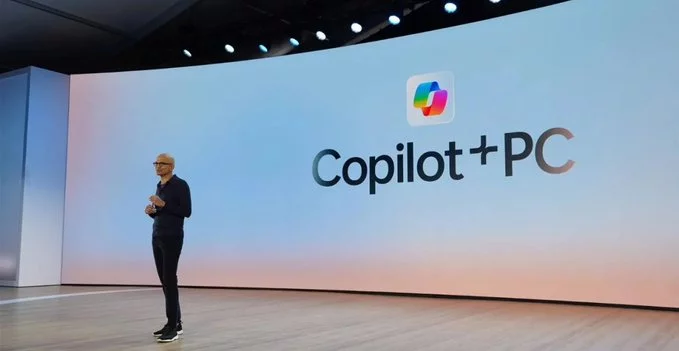
Microsoft is retiring the Copilot Plus PC branding, drawing a close to a label that only recently appeared on laptops and desktops across the Windows ecosystem. The change means new machines will no longer carry the Copilot Plus PC name, even though many of the underlying AI features that defined the category remain part of Windows.
The move is notable because Copilot Plus PCs were positioned as a distinct hardware class, separated from standard Windows computers by specific silicon requirements and on-device AI capabilities. Microsoft leaned heavily on the branding in marketing, retail signage, and partner announcements, encouraging OEMs to treat it as a premium tier.
For buyers, the practical effect is likely to be confusion rather than lost functionality. Shoppers who already own a Copilot Plus PC keep whatever features their hardware supports, and the retirement of the badge does not remove those capabilities. What disappears is the shorthand Microsoft used to tell customers which PCs were built for its AI vision.
The Copilot Plus PC label was Microsoft's branding for AI-focused personal computers. It was introduced as a way to signal that a Windows machine met specific hardware requirements for running advanced artificial intelligence features locally, rather than relying entirely on the cloud.
Machines carrying the badge were built around capable neural processing units (NPUs), which handled AI workloads such as on-device assistants, image generation, and live translation. The branding sat alongside the broader Windows 11 ecosystem and was closely tied to the Copilot assistant experience that Microsoft had been pushing across its products.
The label mattered to manufacturers because it gave shoppers a simple shortcut: if a laptop or desktop said Copilot Plus PC, it was supposed to deliver certain AI capabilities out of the box. It also helped Microsoft position Windows hardware against rivals in an increasingly crowded AI market.
Over time, however, the Copilot Plus PC name became part of a wider shift in how Microsoft talked about AI on Windows, and the company has now decided to retire the brand.
Microsoft is moving on from the Copilot Plus PC name. The label was introduced to mark laptops and desktops built around on-device AI features, but the company now appears ready to retire it in favour of simpler messaging.
The shift reflects a broader change in how Microsoft talks about AI hardware. Rather than treating "Copilot Plus PC" as a distinct product category, the company is folding those capabilities into its wider Windows and Copilot story. The branding did its job as an early signal, but it also created confusion for buyers unsure what actually separated a Copilot Plus PC from any other modern machine.
Another factor is timing. As AI features spread across more devices and price points, keeping a separate badge makes less sense. Microsoft would rather customers associate AI with Windows and Copilot directly than with a hardware certification that may soon feel redundant.
For now, the takeaway is simple: the name is being phased out, even as the underlying AI push continues.
The question remains what Microsoft's next buzzword will be. The company has now cycled through several labels for essentially the same idea: that a new generation of Windows laptops, built around dedicated neural processing hardware, can run AI features locally rather than in the cloud.
Copilot Plus PC was the most recent attempt to give that idea a consumer-friendly name. Its retirement does not mean the underlying hardware push is over. It means the marketing wrapper around it is being replaced.
What form that replacement takes is unclear. Microsoft could fold AI capabilities more tightly into the Windows brand itself, present them as plain Copilot features without a separate PC tier, or introduce an entirely new term when the next wave of hardware arrives.
Each option carries the same risk the last one did: a label that promises more than the average buyer currently needs, attached to a premium they may not be willing to pay. Until Microsoft settles on an answer, the AI PC remains a category in search of a name.







Comment