
Alerts
-
5 minutes, 14 seconds
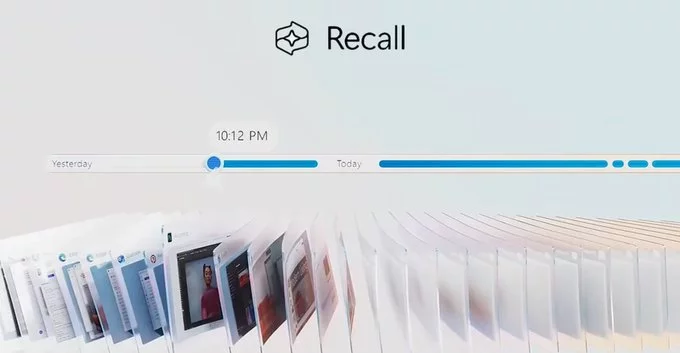
Microsoft faces fresh Windows Recall security concerns after a security researcher demonstrated a tool capable of extracting sensitive data from Recall. Users searching for answers about Windows Recall privacy risks are increasingly worried about how much personal activity is being stored and whether it can be accessed by unauthorized tools. The issue has reignited debate around AI-powered system memory features in Windows. With growing reliance on local AI indexing, questions about transparency and protection are becoming more urgent. Experts say the findings highlight ongoing challenges in balancing convenience and privacy in modern operating systems.
Windows Recall security concerns center on how the feature captures screenshots and system activity to build a searchable history for users. While designed to improve productivity, the system has raised concerns among privacy advocates. The latest research suggests that stored snapshots could be accessed or reconstructed using specialized tools. This raises questions about whether sensitive information such as passwords or messages could be unintentionally exposed. Experts emphasize that local AI indexing still requires strong safeguards to prevent misuse.
A security researcher recently published a proof-of-concept tool designed to demonstrate how data stored by Windows Recall could be extracted under certain conditions. The tool reportedly scans locally stored snapshot data and reconstructs user activity timelines. Although it does not represent a widespread attack in the wild, it shows potential vulnerabilities in the system's design. Researchers argue that any feature storing continuous user activity must be carefully isolated from external access. Microsoft has not confirmed any real-world exploitation but continues to review feedback from the security community.
Users concerned about Windows Recall security concerns are advised to review their privacy settings and limit data collection where possible. Disabling or adjusting Recall features can reduce exposure to locally stored snapshots. Security professionals recommend keeping systems updated to ensure the latest patches are applied. It is also important to monitor app permissions and system indexing behavior regularly. Staying informed about feature updates can help users maintain better control of their data.
The growing attention around Windows Recall security concerns reflects a broader shift in how operating systems handle personal data in 2026. With AI-driven features becoming more deeply embedded in Windows, users are increasingly dependent on automated data indexing systems. This dependency raises concerns about transparency, control, and long-term privacy implications for everyday users. Security researchers stress that any system storing behavioral snapshots must prioritize encryption and strict access controls. The latest tool demonstrates that even well-intentioned features can introduce unexpected exposure risks if not carefully designed.
Industry experts believe that the debate around Windows Recall security concerns will influence future design standards for AI-integrated operating systems, particularly as developers attempt to balance performance optimization, user convenience, and increasingly strict expectations around privacy protection. As companies continue integrating machine learning into core system functions, balancing convenience and privacy becomes a central challenge that requires careful engineering decisions, ongoing security reviews, and transparent communication with users about how data is collected and processed. Microsoft is expected to refine Recall based on ongoing feedback from security researchers, enterprise customers, and privacy advocates, with potential updates focusing on strengthening data isolation, improving encryption practices, and limiting unnecessary snapshot retention. Users are encouraged to remain aware of how local AI features process and store personal activity data over time, especially as more productivity tools begin adopting similar always-on indexing systems that analyze user behavior across applications and devices. the evolution of Windows Recall will depend on how Microsoft addresses transparency concerns, strengthens user control mechanisms, and ensures AI-driven features do not compromise sensitive information stored locally on personal devices.









Comment