
Alerts
-
2 minutes, 22 seconds
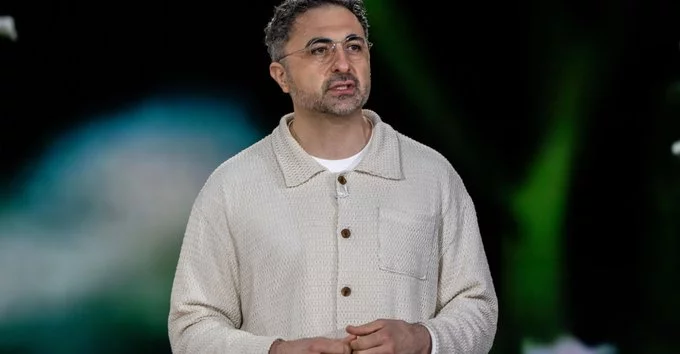
In a recent public exchange, the head of Microsoft's AI division directly criticized Anthropic for implying that its AI model, Claude, might be conscious. This controversy highlights a growing debate in the tech world about AI sentience, ethics, and responsible marketing. Let's break down what happened and why it matters.
Microsoft's AI chief argued that Anthropic's messaging around Claude's potential consciousness is misleading and unscientific. He stated that no current AI, including Claude, possesses true consciousness or self-awareness. According to him, such claims risk confusing users and undermining trust in AI technology.
The discussion about AI consciousness isn't just academic. It affects how companies build, market, and regulate AI tools. Here are a few key reasons this matters:
Anthropic has not officially declared that Claude is conscious. However, some of their marketing materials and public statements have used language that implies Claude might have feelings or awareness. This subtle suggestion has sparked criticism from figures like Microsoft's AI head, who want clearer boundaries between advanced AI and human-like consciousness.
To avoid confusion and backlash, AI companies should follow these best practices:
This clash between Microsoft and Anthropic signals a larger trend. As AI becomes more powerful, the conversation around its nature will intensify. Companies that market AI responsibly will likely earn more trust from both users and regulators. Meanwhile, those who blur the lines risk damaging their reputation and inviting stricter oversight.
Here's what you need to remember from this AI consciousness debate:
As AI continues to evolve, expect more debates like this one. Staying informed will help you navigate the hype and understand the real capabilities of these powerful tools.










Comment