
Alerts
-
4 minutes, 51 seconds
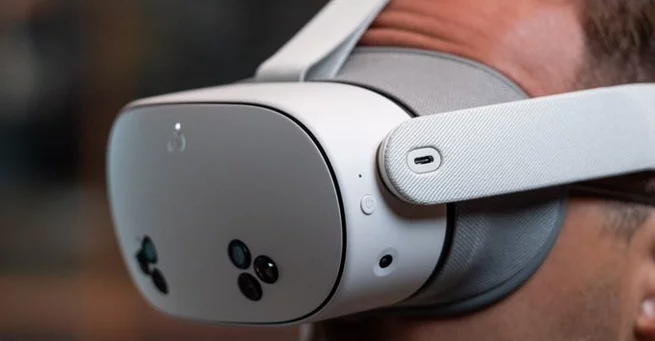
Meta is officially pulling the plug on its virtual workspace ambitions. Just months after introducing Horizon Workrooms, a VR platform designed for remote collaboration, the company announced it will discontinue the app entirely by February 16, 2026. Businesses will also lose access to Meta’s VR hardware and software services shortly after, marking a significant retreat from the enterprise-focused metaverse.
This move raises questions about the future of VR at Meta and how CEO Mark Zuckerberg is reshaping the company’s vision for immersive technology.
Horizon Workrooms was launched as a futuristic solution for team collaboration, blending VR meetings with spatial productivity tools. However, adoption never reached mainstream levels. Meta’s official statement confirms that Workrooms will no longer be supported as a standalone app, leaving current users scrambling for alternatives.
The shutdown isn’t just about a single app. Meta is halting sales of commercial SKUs of Meta Quest headsets and managed VR services for businesses by February 20, 2026. For organizations invested in VR workflows, this signals a sudden shift in support and infrastructure.
The closure comes on the heels of major restructuring at Reality Labs, Meta’s division responsible for VR and AR innovation. Over 1,000 jobs—around 10% of the division—were cut, and several VR studios, including those behind high-profile games and fitness apps like Supernatural, have been shuttered.
These layoffs suggest Meta is re-evaluating the ROI of VR development, moving away from costly, niche products in favor of mobile-friendly experiences. Analysts note that this pivot may redefine how Meta approaches immersive technology entirely.
While Workrooms is ending, Meta still maintains investments in Horizon Worlds, which has the advantage of being accessible on mobile devices. CTO Andrew Bosworth confirmed that Meta will focus on “bringing the best Horizon experiences and AI creator tools to mobile,” signaling a shift from VR-centric to mobile-first immersive content.
This approach indicates a broader strategy: embracing augmented experiences while scaling back on high-cost VR hardware. For users, it may mean more accessible, less expensive ways to engage with Meta’s vision of the metaverse without strapping on a headset.
Meta’s retreat from Workrooms and enterprise VR sales could ripple across the tech industry. Competitors who have invested heavily in remote collaboration tools may see opportunities to capture market share. Meanwhile, VR startups and developers might face tougher funding conditions as investor confidence in enterprise VR diminishes.
For Meta, this is both a financial and strategic recalibration. By redirecting resources toward mobile and AI-driven experiences, the company aims to maintain relevance in immersive technology without sustaining high VR infrastructure costs.
Meta’s decision to shut down Horizon Workrooms marks a significant milestone in the company’s evolving metaverse strategy. What began as a bold attempt to redefine remote work through VR is now giving way to a more practical, mobile-centric approach. Users and businesses alike will need to adjust to these changes while keeping an eye on how Meta redefines virtual collaboration in the years ahead.
Meta’s VR journey may not be over, but it’s clearly entering a new phase—one that favors accessibility, AI integration, and mobile-first experiences over standalone VR for work.










Comment