Alerts

-
4 minutes, 42 seconds
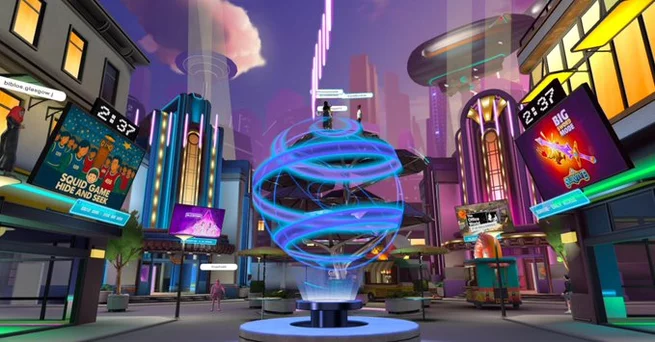
Meta is reimagining its Horizon Worlds metaverse, moving away from its VR-first roots. The platform, originally designed as a VR social experience, will now become “almost exclusively mobile,” according to Samantha Ryan, VP of content at Reality Labs. This shift comes after a series of strategic changes, including layoffs, studio closures, and the discontinuation of VR work-related experiences.
The change positions Meta to compete more directly with popular mobile-focused platforms like Roblox and Fortnite, which offer accessible, user-generated gaming experiences. By going mobile, Meta hopes to reach millions of users who may never own a VR headset but still want to explore interactive virtual worlds.
Horizon Worlds’ VR approach never reached mass adoption, limited by the number of people owning VR headsets. “To truly change the game and tap into a much larger market, we’re going all-in on mobile,” Ryan said in a blog post. Mobile-first access allows for simpler entry, synchronous social games, and integration with Meta’s massive social network ecosystem.
Meta is also clarifying its VR strategy. While Horizon Worlds will focus on mobile, the company will continue developing VR hardware and supporting third-party developers. “Among 1P and 3P apps, 86% of the effective time people spend in their VR headsets is with third-party apps,” Ryan noted. This approach lets Meta concentrate on hardware innovation while leaving content creation largely to developers.
Despite the mobile pivot, VR isn’t disappearing from Meta entirely. The company confirmed it will continue building new headsets tailored to different audience segments. Meta’s roadmap suggests VR will remain a niche but evolving market, while Horizon Worlds serves as a mainstream entry point for social gaming on mobile devices.
The separation of platforms also allows Meta to avoid splitting development resources between VR and mobile. By creating two distinct experiences, the company can optimize performance, user interface, and content for each platform. This could lead to more engaging experiences for both VR enthusiasts and casual mobile gamers.
The mobile pivot directly challenges industry leaders who dominate casual gaming and social worlds. Platforms like Roblox, Fortnite, and others have proven that mobile-first, user-generated content drives massive engagement. Meta’s Horizon Worlds now has the potential to attract a wider demographic, offering shared experiences that are easy to access without expensive VR gear.
Synchronous multiplayer games will be a major focus. Ryan highlighted Meta’s advantage in connecting virtual experiences with billions of users across its social platforms. This could give Horizon Worlds a competitive edge over standalone mobile gaming apps by linking social interaction and gaming in a seamless way.
For current Horizon Worlds users, the shift to mobile may feel like a major pivot. VR players will still have Meta’s hardware and third-party apps to enjoy, but the mainstream experience will now be designed for smartphones. Expect more social games, interactive events, and easier access to user-generated content.
Meta’s strategy reflects a larger industry trend: making virtual worlds accessible to everyone, not just VR owners. By emphasizing mobile-first experiences, Horizon Worlds could become a hub for social gaming, blending creativity, interaction, and entertainment for millions of new users.









Comment