Meta facial recognition is once again sparking debate as the tech giant pushes forward with controversial smart glasses features. Critics are questioning whether innovation is moving faster than ethics, especially as new capabilities allow wearables to identify people in real life. Concerns center on privacy risks, government surveillance, and whether regulators are prepared for a future where facial recognition becomes mainstream. With AI-powered wearables gaining traction, the launch has ignited fresh discussions about where society should draw the line.
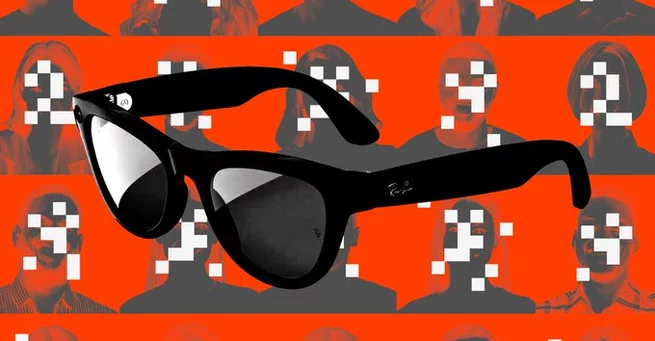
At the center of the controversy are the sleek Meta smart glasses developed in partnership with Ray-Ban. These glasses are designed to blend fashion with functionality, offering features like navigation overlays, messaging alerts, and real-time social feeds. However, a new feature dubbed “Name Tag” is drawing the most scrutiny.
Name Tag reportedly uses facial recognition technology to identify individuals seen through the glasses. The concept resembles something out of science fiction: wearables that can recognize strangers instantly and pull up contextual information. While some see it as the next step in augmented reality, others view it as a tipping point for mass surveillance in everyday life.
The glasses themselves, commonly referred to as Ray-Ban Meta glasses, already include cameras and displays embedded within the lenses. Adding facial recognition elevates them from lifestyle gadgets to potentially powerful surveillance tools, which is why the debate has intensified.
Skepticism surrounding Meta’s facial recognition rollout isn’t just about the technology itself — it’s also about timing. Public awareness of surveillance technologies has increased dramatically over the past decade. From AI-powered policing tools to government monitoring programs, many people already feel overwhelmed by how much data is collected about them daily.
Introducing facial recognition in consumer wearables during a time of heightened distrust only amplifies concerns. Some critics argue that companies are taking advantage of public fatigue around privacy issues. The logic is simple: when people feel powerless to stop surveillance trends, resistance weakens.
That perception has fueled narratives that big tech companies are moving ahead regardless of ethical pushback. For many observers, the launch feels less like a technological milestone and more like a test of how much society will tolerate.
The Meta facial recognition controversy ultimately boils down to a familiar dilemma: balancing innovation with individual rights. Supporters argue that advanced wearables represent the future of computing. They envision use cases ranging from accessibility tools for visually impaired users to seamless social networking in physical spaces.
However, critics warn that normalization is the real danger. Once facial recognition becomes embedded in everyday devices, it could reshape social expectations. People may begin to assume they’re constantly being identified or recorded, altering how they behave in public.
This shift could have far-reaching consequences beyond personal privacy. Civil liberties advocates worry about the chilling effect on free expression, especially in politically sensitive environments. When technology can identify faces instantly, anonymity — long considered a cornerstone of public freedom — becomes harder to maintain.
Another aspect fueling debate is the perceived lack of strong regulatory response. Historically, facial recognition has triggered pushback from lawmakers and civil rights groups. Yet reactions to Meta’s wearable rollout have been relatively muted so far.
Some analysts interpret this as a sign that regulators are struggling to keep up with AI advancements. Others believe governments may be reluctant to challenge large tech companies due to economic dependencies and geopolitical competition in AI innovation.
The silence has also led to speculation about whether authorities view consumer facial recognition differently from law enforcement use. If wearables normalize the technology, future restrictions could become harder to implement — a concern privacy advocates are watching closely.
Meta’s latest move reflects a broader shift toward ambient computing — technology that blends seamlessly into daily life. Smart glasses, AI assistants, and wearable sensors are gradually transforming how humans interact with the digital world.
But with convenience comes trade-offs. Each step toward frictionless computing often requires more data collection. Facial recognition, in particular, sits at the center of this tension because it bridges the physical and digital worlds in deeply personal ways.
Experts warn that once these systems become widespread, rolling them back could be nearly impossible. That’s why early debates, even if messy, play a critical role in shaping long-term norms and regulations.
Public reaction to Meta facial recognition will likely determine how quickly the technology spreads. Consumer trust has become a key factor in the success or failure of emerging tech products. Even groundbreaking innovations can stumble if users feel uneasy about how they’re being used.
If backlash grows, Meta could face pressure to add safeguards such as opt-in permissions, clearer visual indicators, or regional feature restrictions. On the other hand, if adoption continues despite criticism, it may signal a cultural shift toward acceptance of always-on AI.
Either way, the launch represents more than just a new gadget release. It’s a pivotal moment in the evolving relationship between technology, privacy, and society.
Meta’s facial recognition rollout may ultimately be remembered as a turning point for wearable AI. Whether viewed as a bold leap forward or a troubling escalation, it underscores how rapidly the boundaries of everyday technology are expanding.
The real question isn’t just what these glasses can do — it’s how people choose to respond. As smart wearables become more capable, public attitudes will play a decisive role in shaping the future of AI in daily life.
For now, the debate is far from settled. But one thing is clear: the conversation around facial recognition is entering a new phase, and the outcome could redefine privacy in the AI era.
Meta Facial Recognition Sparks Privacy Firest... 0 0 0 2 2
2 photos


Copyright © 2026




Comment