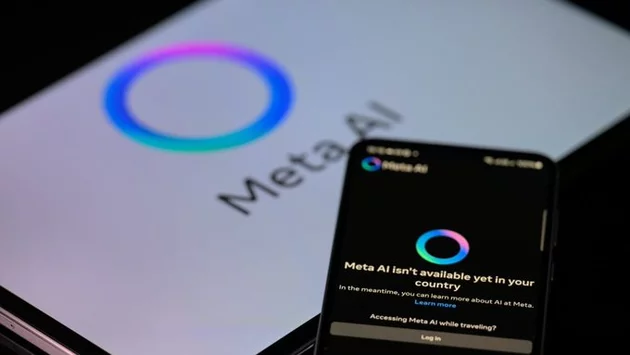
Meta buys AI agent startup Manus in a deal valued at more than $2 billion, signaling another aggressive move in its fast-growing artificial intelligence strategy. The acquisition answers a key question many users and investors are asking: how serious is Meta about leading the AI race? According to reports, the purchase brings advanced agent-based AI capabilities directly under Meta’s control. The company has been pouring billions into AI infrastructure, models, and talent over the past year. This latest move suggests Meta wants ready-made innovation rather than waiting for internal teams to catch up. It also reinforces Meta’s belief that AI agents will power the next generation of digital products. For users, this could mean smarter assistants embedded across Meta’s platforms sooner than expected.
Manus gained attention earlier this year after launching a general-purpose AI agent designed to handle complex, real-world tasks. The system demonstrated abilities in deep research, coding assistance, vacation planning, and even stock analysis. These capabilities align closely with Meta’s vision of AI that works across messaging, productivity, and social platforms. Industry observers noted that Manus stood out for its flexibility rather than narrow use cases. That versatility likely made the startup especially attractive to Meta executives. By acquiring Manus, Meta avoids years of development while gaining proven technology. The deal also signals confidence that AI agents, not just chatbots, represent the next big leap.
This acquisition is not an isolated move for Meta. The company has already invested in or acquired several AI-focused firms, including Scale AI and Limitless. Such deals suggest Meta’s internal AI development may not be moving fast enough to meet competitive pressure. Rivals like OpenAI, Google, and Microsoft continue to release rapid updates and enterprise-ready tools. Meta appears determined not to fall behind in this race. Buying startups allows it to compress timelines and secure scarce AI talent. The strategy reflects a broader industry trend where speed matters more than building everything from scratch.
One complication surrounding the deal is Manus’s historical connection to China, a sensitive issue in Washington. The U.S. and China remain locked in an intensifying AI arms race, with national security concerns front and center. Meta has reportedly committed to cutting all China-related ties linked to the startup. This move appears designed to reduce regulatory scrutiny and political backlash. Lawmakers have increasingly questioned foreign influence in advanced AI systems. By acting preemptively, Meta may be trying to keep regulators at bay. The decision underscores how geopolitics now shapes even private tech acquisitions.
The acquisition also arrives amid speculation about Mark Zuckerberg’s broader political strategy. Some analysts believe Meta’s leadership is making calculated moves to stay aligned with shifting U.S. political power. Demonstrating a tough stance on China could play well with regulators and policymakers. At the same time, Meta continues to face antitrust pressure and content moderation scrutiny. Large AI deals inevitably draw attention from multiple government agencies. Navigating these challenges has become part of Meta’s core business strategy. The Manus acquisition shows how technology decisions now intersect directly with political survival.
By bringing Manus in-house, Meta strengthens its push toward AI-driven experiences across its ecosystem. AI agents could soon assist users on Facebook, Instagram, WhatsApp, and future mixed-reality products. The deal suggests Meta sees AI as central to its long-term growth, not a side experiment. Investors may view the move as risky but necessary in an increasingly competitive market. For users, the benefits could appear gradually through smarter tools and automation. One thing is clear: Meta buys AI agent startup Manus to move faster, think bigger, and stay relevant in a rapidly evolving AI landscape.






Comment