
-
8 minutes, 53 seconds
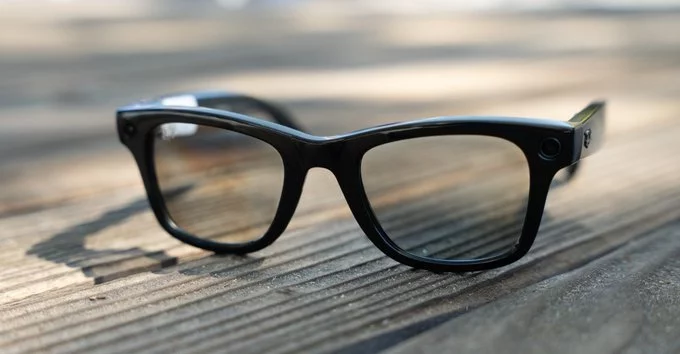
Growing concerns around Meta AI glasses privacy are raising serious questions about how smart wearable technology handles personal data. Reports suggest that footage recorded by Meta’s AI-powered glasses may have been reviewed by human contractors, including workers based in Kenya. Some reviewers claim they saw extremely sensitive moments captured unintentionally by users. The revelations are now fueling legal challenges and reigniting debates about privacy risks tied to AI-powered wearable devices.
Recent reporting has brought attention to how Meta AI glasses process and review data captured through their built-in cameras and artificial intelligence systems. The investigation claims that contractors responsible for training AI systems had access to video clips recorded by users wearing the glasses.
These workers are known as AI annotators. Their role involves labeling visual or audio data so artificial intelligence models can better understand real-world environments. While this process is common in AI development, the type of footage reportedly reviewed has sparked widespread concern.
According to accounts from workers involved in the review process, some of the videos contained deeply personal scenes. This included footage recorded inside homes and other private environments where users may not have realized the extent of the device’s data processing.
Such revelations are now pushing privacy experts, tech analysts, and regulators to examine how smart wearable devices manage sensitive information.
One of the most troubling aspects of the investigation involves claims that reviewers saw highly private moments captured by the glasses.
Workers reportedly encountered clips showing everyday activities inside people’s homes. Some footage allegedly included individuals in vulnerable or intimate situations that users likely never intended to share with anyone else.
AI annotation workers say the system occasionally displayed extremely personal scenes that were recorded unintentionally by the wearable cameras. Because the glasses are designed to continuously interpret what users see, the devices may capture moments without users realizing the implications for AI training.
This has led critics to question whether smart glasses technology is advancing faster than privacy protections can keep up.
To understand the issue fully, it helps to know how AI systems learn.
AI-powered devices often rely on massive datasets to improve accuracy. Human reviewers analyze images, videos, and audio recordings and assign labels that help machines interpret what they are seeing. For example, they might tag objects, environments, or activities within a clip.
This process, known as AI annotation, is widely used across the technology industry. It helps train systems that power voice assistants, computer vision tools, and augmented reality features.
However, when wearable devices capture real-world environments, the training data can include sensitive content. Without strict safeguards, reviewers may unintentionally encounter personal information belonging to device users.
Privacy advocates argue that companies must clearly communicate when such data may be viewed by humans.
Reports suggest that Meta attempted to address privacy concerns by automatically blurring faces in the footage before it reaches human reviewers. In theory, this should prevent annotators from identifying individuals.
However, workers involved in the review process claim that the technology does not always perform perfectly. Some faces reportedly remain visible in certain clips due to technical limitations or detection failures.
Beyond facial visibility, other identifying details can still appear in the videos. Objects like payment cards, home interiors, or unique environments may make it easier to recognize a person or location.
This raises an important question about whether automated privacy filters are reliable enough for large-scale AI training datasets.
The controversy has already sparked legal action.
A proposed class action lawsuit argues that consumers were misled about how private their data would remain when using the smart glasses. The complaint claims that marketing statements emphasizing privacy may have created expectations that personal footage would not be viewed by strangers.
According to the filing, consumers might have made different purchasing decisions if they had known human reviewers could access the footage captured by the device’s AI features.
Legal experts say cases like this could shape how future AI hardware products disclose data usage practices.
Smart glasses introduce privacy challenges that differ from smartphones or traditional cameras.
Unlike phones, wearable cameras operate from a first-person perspective and can record constantly while the user goes about daily life. This creates the potential to capture moments that were never intentionally recorded.
The addition of AI assistants further complicates the issue. These assistants analyze what users are seeing in real time to provide contextual information or answer questions about the surrounding environment.
While this technology offers powerful capabilities, it also means the device may collect far more visual data than people realize.
As wearable computing becomes more advanced, the balance between innovation and personal privacy will become increasingly important.
The Meta AI glasses situation highlights a broader trend affecting the technology industry.
As artificial intelligence tools expand, companies are collecting massive volumes of data to improve their systems. This often includes real-world content captured through cameras, microphones, and connected devices.
Governments and regulators worldwide are beginning to examine whether current rules adequately protect consumers from misuse or unexpected exposure of their personal information.
Public awareness is also rising. Users are increasingly asking how their data is stored, who can access it, and how long companies retain it.
The controversy surrounding Meta’s AI glasses may accelerate calls for stronger transparency requirements in AI-powered devices.
Despite the concerns, wearable AI technology continues to grow rapidly. Smart glasses are expected to become a major category in the next generation of consumer electronics.
Companies are investing heavily in devices that blend augmented reality, artificial intelligence, and hands-free computing. These tools promise to change how people interact with digital information in everyday life.
However, the success of this technology may depend on how well companies address privacy concerns. Clear communication, stronger safeguards, and transparent data practices will likely become essential for maintaining consumer trust.
For now, the debate surrounding Meta AI glasses privacy serves as a powerful reminder that groundbreaking technology often brings complex ethical questions along with it.

2.5K articles

1.4K articles

34 articles

28 articles














Comment