
-
5 minutes, 39 seconds
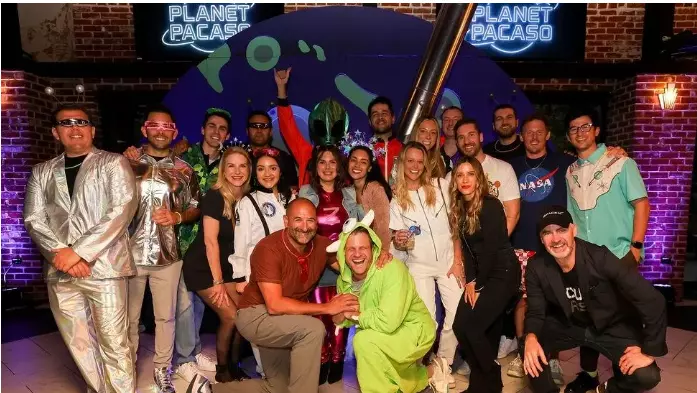
If you’re searching for the best startups to work for in 2026, the latest ranking of America’s Best Startup Employers 2026 offers clear answers. The annual list spotlights 500 privately held U.S. startups that stand out for company reputation, employee satisfaction, and sustained growth. Compiled in partnership with Statista, the ranking evaluates thousands of data points—from online reviews to hiring momentum. This year’s results reveal a powerful trend: mission-driven companies with strong cultures are winning the talent war.
To build the seventh annual ranking, Forbes and Statista analyzed 2,700 eligible startups, narrowed down from more than 20,000 companies nationwide. To qualify, businesses needed at least 50 employees, a founding date between 2016 and 2023, and independent ownership.
Each company was scored across three pillars: employer reputation, employee satisfaction, and growth performance. Researchers reviewed media coverage, social sentiment, benefits policies, compensation structures, and advancement opportunities. Growth metrics included headcount expansion, job openings, and website traffic over two years. In total, roughly 7 million data points shaped the final list.
This year’s top-ranked startups span industries from retail and fintech to AI and real estate. Live-shopping marketplace Whatnot climbed to the No. 1 spot, up from No. 6 last year. Financial solutions firm Billd secured second place, followed by data management leader Cribl at No. 3.
Rounding out the top five are global HR platform Deel and co-ownership real estate innovator Pacaso. Notably, one in four companies on the full list are unicorns, underscoring the scale and investor confidence behind these employers. The diversity of industries represented signals that strong workplace culture is no longer confined to Silicon Valley tech alone.
Ranked No. 44 overall and No. 2 in healthcare, Hippocratic AI offers a striking example of mission-driven hiring. New employees begin by reciting an oath committing to patient-first care, echoing the values embedded in the company’s AI healthcare voice agents. Leadership believes that spoken commitments shape behavior more deeply than framed mission statements.
By centering “do no harm” and equal access in daily operations, the startup reinforces purpose from day one. Executives say top-tier talent joins not only for innovation but to collaborate with colleagues aligned around meaningful healthcare outcomes. In a competitive hiring market, shared mission has become a retention strategy.
Remote and hybrid startups continue to dominate the rankings. Pacaso, for example, blends virtual collaboration with strong in-person traditions like annual retreats and biweekly all-hands meetings. Leaders say fostering connection in distributed teams requires intentional rituals and transparent communication.
Similarly, AI-native consulting firm Atrium, ranked No. 7, invests heavily in professional development. Its early-career training initiatives help graduates earn certifications in platforms like Salesforce and Snowflake while gaining real-world experience. Continuous upskilling also reduces anxiety about AI disruption, positioning employees for long-term relevance.
Few startups capture imagination like Colossal Biosciences, ranked No. 9. The biotech company is working to revive extinct species such as the woolly mammoth while advancing biodiversity science. With mentorship from leading scientists and bold conservation goals, employees are drawn to projects that could reshape environmental innovation.
Leaders describe the workplace as fast-paced but purpose-fueled, offering opportunities to take on projects rarely found elsewhere. For ambitious professionals, that blend of scientific frontier and career acceleration is magnetic. It reflects a broader trend across the 2026 list: employees increasingly want both growth and meaning.
In an era of economic shifts and evolving workplace expectations, startup culture is under scrutiny. The 2026 ranking shows that sustainable growth, strong leadership, and employee well-being are not mutually exclusive. Companies that balance innovation with intentional people strategies are outperforming peers in both reputation and retention.
For job seekers, the list offers a data-backed starting point. For founders and executives, it’s a blueprint for building resilient, high-trust cultures. As competition for talent intensifies, the startups that thrive will be those that treat employees not just as resources—but as long-term partners in innovation.

7.9K articles

1.4K articles

34 articles

28 articles














Comment