
Alerts
-
3 minutes, 37 seconds
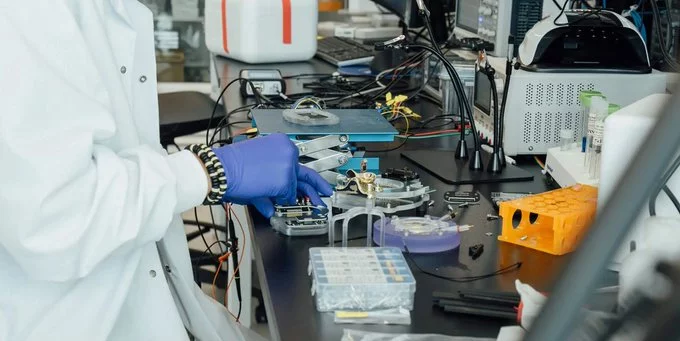
Mark Zuckerberg has backed a massive $500 million initiative to build AI models of human cells. This long-term effort aims to cure diseases by understanding how cells work at a deeper level. The project, led by the Chan Zuckerberg Initiative (CZI), uses artificial intelligence to create virtual replicas of cells, which could speed up drug discovery and personalized treatments.
The goal is simple: create a computer model of every human cell type. By simulating how cells behave when healthy or sick, researchers can test new drugs without lab experiments. This saves time and money. The project focuses on immune cells, brain cells, and other key types linked to major diseases like cancer, Alzheimer's, and heart disease.
For example, if you have a rare genetic disorder, doctors could run simulations on your virtual cell model to find the best therapy.
Zuckerberg and his wife, Priscilla Chan, believe that curing major diseases requires a big-picture approach. Instead of chasing one disease at a time, they want a tool that works for many. This $500 million push is part of a broader effort to build a 'virtual cell atlas' that anyone can use.
If successful, this AI model could mean:
Imagine a future where your doctor runs a quick AI scan of your cells and prescribes a drug that works perfectly for you. That's the promise of this project.
Building a complete model of every human cell is extremely complex. Cells have thousands of variables. But with $500 million and top AI talent, progress is expected within 5–10 years. CZI plans to release early versions of the model by 2026 for testing.
In summary, Mark Zuckerberg's $500 million AI cell project could transform medicine. By modeling human cells with AI, we move closer to curing diseases that have plagued humanity for centuries.










Comment