Alerts

-
4 minutes, 23 seconds
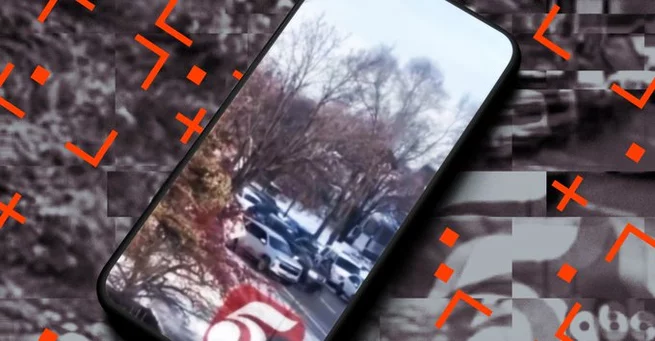
A Minneapolis shooting involving an ICE agent has ignited a heated online debate, amplified by a MAGA-approved video circulating across social media. Viewers searching for details are confronted with multiple clips showing slightly different angles, speeds, and durations—but all capture the moment an agent shot and killed a woman, while bystanders react in shock. The incident has become a flashpoint for political commentary, misinformation, and questions about federal narratives.
Social media platforms including X, Bluesky, Reddit, and TikTok host dozens of videos showing the Minneapolis shooting. Some clips are grainy and zoomed in, making events hard to decipher, while others are slowed down or extended with commentary. The visual differences fuel debates online, as audiences attempt to parse what truly happened. Despite variations in footage, the gunshots and cries of onlookers remain consistent, giving the tragedy an undeniable emotional weight.
The shooting took place shortly after federal authorities announced a large-scale ICE deployment to Minnesota, prompted by a viral YouTube video alleging fraud in local social services. The claims in that video were largely unverified, yet officials, including DHS Secretary Kristi Noem, quickly labeled the incident as an act of domestic terrorism. Noem stated that the woman “attacked” ICE agents while they were stuck in snow, claiming she attempted to run them over with her vehicle.
Former President Donald Trump amplified a particular narrative on Truth Social, calling the woman a “professional agitator” and suggesting the ICE agent acted in self-defense. He identified the deceased driver as 37-year-old Renee Good and described the incident as a “violent, willful, and vicious” attack. The Truth Social post included a 13-second grainy video slowed down to emphasize this perspective, further cementing the MAGA framing before independent investigations could clarify the facts.
Short, edited clips have made the incident highly shareable, generating thousands of comments, debates, and conspiracy-driven theories. The rapid spread of these videos highlights how social platforms can influence public perception of law enforcement encounters, often blurring the line between verified information and politically charged content. Users are left piecing together a coherent account from fragmented footage and contrasting narratives.
Legal experts warn that early political commentary could complicate investigations and influence public opinion before official findings are released. The case underscores ongoing tensions between federal authorities, local communities, and social media’s power to shape narratives in real time. Minneapolis residents and national audiences alike are closely watching how investigations proceed, aware that the story’s portrayal online may differ sharply from official accounts.
As the investigation into Renee Good’s death continues, the debate over the MAGA-endorsed video exemplifies the challenges of navigating modern media landscapes. Between grainy clips, slowed footage, and politically motivated commentary, the public faces an uphill battle in discerning facts. What is clear, however, is the growing influence of social media on shaping perceptions of law enforcement incidents and the heightened scrutiny of ICE operations nationwide.









Comment