
-
5 minutes, 5 seconds
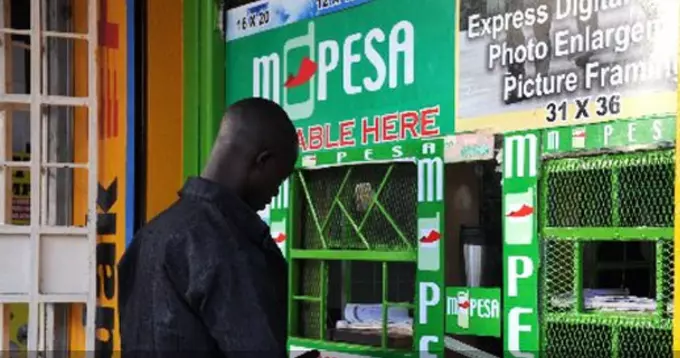
Safaricom has launched data minimization for M-PESA peer-to-peer (P2P) transfers, bringing a new layer of privacy to millions of users. Customers sending money between themselves will now notice masked phone numbers, shortened names, and a consent prompt before sharing full identity details. This move addresses long-standing concerns where a phone number doubled as identity, receipt, and contact channel, leaving personal data widely exposed.
While this is a significant step for individual users, small businesses are temporarily left behind. Payments made to SMEs via Buy Goods and Paybill channels still display full customer details. This uneven rollout has created a privacy gap, giving individuals more control over their personal information while businesses continue to receive comprehensive data.
The new system limits the exposure of sensitive user information during peer-to-peer transactions. Phone numbers no longer appear in full, and users’ names are abbreviated. Before sending money, a consent layer prompts users to approve sharing complete details with recipients.
This ensures that everyday transactions between friends, family, or acquaintances do not reveal unnecessary personal information. By making phone numbers less visible, M-PESA reduces risks such as harassment, identity misuse, and spam messages linked to mobile money transfers.
Despite the P2P privacy boost, small businesses continue to see complete customer information when receiving payments. Notifications for Buy Goods and Paybill transactions display full phone numbers and names, a technical necessity for businesses to reconcile payments and manage accounts.
Safaricom has indicated that full data minimization for SMEs will roll out later this year. Until then, the privacy gap remains, with individual users gaining protections that businesses’ customer-facing systems cannot yet fully implement. This staggered approach reflects the challenge of balancing privacy with operational needs for merchants who rely on detailed transaction data.
Experts say the phased implementation is deliberate. Masking data in P2P transfers is simpler because it involves individual accounts, whereas SME payment channels integrate with complex business systems, SMS notifications, and accounting tools. Full data minimization in this context requires extensive testing to avoid disrupting payments or generating errors for merchants.
By prioritizing individual privacy first, Safaricom can reduce immediate risks for millions of users while giving SMEs time to adjust to the changes. The delay also provides space for feedback from merchants and customers, ensuring a smoother transition when business-facing minimization launches.
For everyday M-PESA users, the update is a win. Sending money to friends and family no longer exposes phone numbers or full names automatically, giving users a stronger sense of control over their digital identity. The addition of a consent layer empowers customers to decide when full information is necessary, aligning with global data privacy standards.
Small businesses, however, will need to wait a few more months before enjoying the same level of privacy protection for their customer transactions. Merchants and SMEs may still need to handle sensitive data responsibly to maintain trust with clients during this interim period.
Safaricom’s phased approach suggests a future where all M-PESA transactions—P2P and SME payments—feature robust privacy protections. Once implemented, businesses will receive transaction notifications without exposing unnecessary customer details, bringing parity to the system and enhancing user confidence.
For now, individuals enjoy immediate privacy benefits, while small businesses prepare for an update that balances operational needs with stronger data protection. The rollout marks a significant milestone in mobile money privacy, reflecting a growing global emphasis on user control over personal data.

2.6K articles

1.4K articles

34 articles

28 articles














Comment