
Alerts
-
3 minutes, 29 seconds
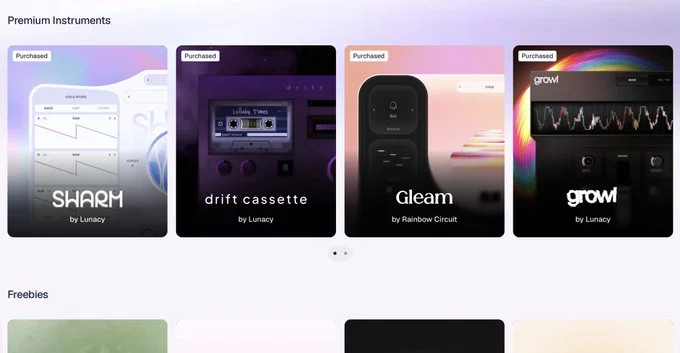
Nova is not just another plug-in. It is three things at once: a development platform, a storefront, and a plug-in for your DAW. That combination is what makes it unusual.
As a development platform, Nova gives you the tools to build your own AI-powered plug-ins. As a storefront, it provides a place to sell those plug-ins to other musicians and producers. And as a plug-in, it runs inside your DAW so you can use it while you work on music.
These three roles reinforce one another. You build on the platform, offer your work through the storefront, and use the plug-in in your own sessions. The same environment supports creating, distributing, and playing.
If you have wanted to move from using plug-ins to making them, Nova collapses several separate steps into one product. You do not need to assemble a separate toolchain for development, a separate shop for sales, and a separate instrument for your DAW. Nova is designed to be all three.
Nova is not just a synth you play — it is a platform for building your own AI-powered music plug-ins. Instead of relying solely on the factory instruments, you can design new tools around Nova's engine and shape them to fit the way you work.
Because the AI-powered core handles the heavy lifting, you do not need to be a seasoned DSP developer to get started. The platform gives you the building blocks, and the intelligent engine responds to your direction as you assemble something new.
Once your plug-in takes shape, it becomes a tool you can reach for again and again — and, as the next section explains, something you can share with others too.
Building a plug-in is only half the story. Nova also includes a storefront where creators can sell the plug-ins they build, turning a personal project into something other musicians can buy and use.
The storefront sits alongside the tools you use to design your instrument, so the path from idea to listing stays inside one environment. You do not need to set up a separate shop, host your own downloads, or piece together a checkout system. Nova handles that side of things.
This matters for several reasons:
For independent developers and sound designers, that lowers the barrier considerably. The same platform that powers your build also gives your finished plug-in a place to live and a way to earn.
If you have an idea for a synth, effect, or generative tool, the storefront means you can share it with the wider Nova community rather than keeping it on your own hard drive.
Nova also works as a plug-in for your DAW, so the sounds you build in the standalone app can slot straight into the sessions you already run. Instead of bouncing audio back and forth, you load Nova on a track and play it like any other virtual instrument.
That makes it easy to treat Nova as part of your normal writing workflow. Sketch an idea in your DAW, reach for Nova when you want a sound you have not heard before, and keep everything in one project. Because the same engine powers the standalone version, patches and presets carry across without extra conversion.
If you want to see how it fits your setup, the Lunacy Audio site has the details on formats and installation. Producers who already lean on plug-ins will find the learning curve short: open Nova, pick a starting point, and shape it with your usual automation and mixing moves. For anyone building a signature palette, having Nova inside the DAW means fewer interruptions and more time spent on the music itself.









Comment