
-
4 minutes, 54 seconds
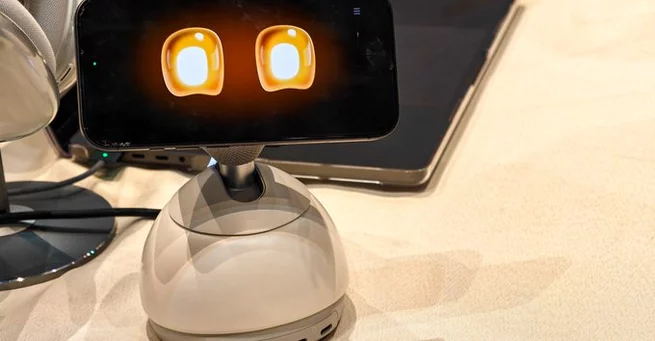
Loona DeskMate arrives as a desktop charger that does far more than top up your iPhone battery, raising a simple question many users are searching for: what is this device and what does it actually do? Designed to transform an iPhone into a robotic AI assistant, DeskMate physically moves to keep you in frame during calls, recordings, or live streams. Rather than adding a built-in screen, the accessory relies entirely on your iPhone’s display and camera. That approach keeps the hardware compact while letting Apple’s camera and software do the heavy lifting. Users place their iPhone into the dock, and DeskMate handles motion automatically. Early demos show smooth panning and tilting that feels surprisingly natural. Interest around the device surged during CES 2026 coverage as smart accessories continue to blur the line between hardware and AI.
Unlike many smart assistants, Loona DeskMate doesn’t come with its own screen, speaker, or camera array. Instead, it is built around the idea that modern iPhones already have premium displays and sensors. Once docked, the iPhone becomes the “face” of the robot, while DeskMate provides the movement. Motors inside the base allow it to rotate and tilt in real time as the camera tracks your face. This makes the setup ideal for FaceTime calls, remote meetings, or casual content creation. The lack of an extra display also helps keep costs and complexity down. From a design perspective, the result feels minimalist and intentional. DeskMate essentially disappears, letting the iPhone remain the star.
What truly sets Loona DeskMate apart is its AI-powered tracking behavior. Using camera-based recognition, the charger can follow a user as they move around a desk or small workspace. Head movements, posture changes, and slight repositioning are all handled automatically. This creates the impression of a tiny robotic assistant paying attention to you. For creators, that means less time adjusting tripods or camera angles. For professionals, it keeps video calls feeling more natural and engaging. The technology taps into existing smartphone intelligence rather than reinventing it. That strategy aligns with a growing trend of smart accessories enhancing devices people already own.
CES 2026 featured no shortage of AI gadgets, yet Loona DeskMate stood out for its simplicity. Many competitors rely on cloud-heavy systems or dedicated screens that duplicate phone features. DeskMate’s approach feels more practical, especially for iPhone users who prefer tight ecosystem integration. Its design also fits well into modern desk setups without looking like a toy or novelty. Observers at the show noted how fluid the movement appeared during live demos. That smoothness is critical, as jerky motion would quickly break immersion. By focusing on one core function and executing it well, DeskMate avoids feature overload.
Loona DeskMate suggests a future where accessories act as physical extensions of smartphones rather than standalone gadgets. Instead of competing with phones, devices like this amplify existing capabilities through motion and context. That could open doors for smarter mounts, chargers, and docks across multiple platforms. For iPhone users, DeskMate feels like a natural evolution of hands-free interaction. Its appeal lies in blending AI, robotics, and everyday utility into a single product. As smart desks and home offices become more common, demand for adaptive accessories is likely to grow. Loona DeskMate positions itself early in that space, turning a simple charger into something unexpectedly engaging.

2.5K articles

1.4K articles

34 articles

28 articles












Comment